Texture – The Skin of Product Design
In the field of medical product design, functionality, safety, and ergonomics are undoubtedly foundational pillars. However, when these basic needs are met, what elevates a product from "usable" to "excellent"? What silently builds an emotional connection between the user and the product, or even becomes a cornerstone of brand trust? Our answer lies in the soul of detail design: texture design.
In many people's traditional understanding, texture might merely be seen as "decoration" for appearance. But from the perspective of Gravity Design, for medical products, texture is a rigorous science and a warm design philosophy. It goes far beyond the visual—it is a subtle integration of functionality, emotion, and brand, forming a trinity.
Outline of This Issue:
The Concept and Main Functions of Texture Design
Methods for Product Texture Design
(The Concept and Main Functions of Texture Design)
Product texture design refers to the process by which industrial designers consciously plan, create, and manipulate the physical attributes of a product's surface or material, such as its visual and tactile texture, pattern, feel, and glossiness. It goes far beyond simple decoration, treating the micro and macro morphology of material surfaces as a core design language that serves the product's functionality, aesthetics, emotion, and user experience.
· Making Products More "User-Friendly"
The medical environment is filled with challenges: tense procedures, potentially slippery gloves, and stringent cleaning requirements. In this context, texture first and foremost acts as a "silent functionalist." Its primary role is to solve problems. It exists not merely to be "visually appealing," but to address real pain points such as slipping, contamination, damage, and misuse.
1. Anti-Slip and Grip
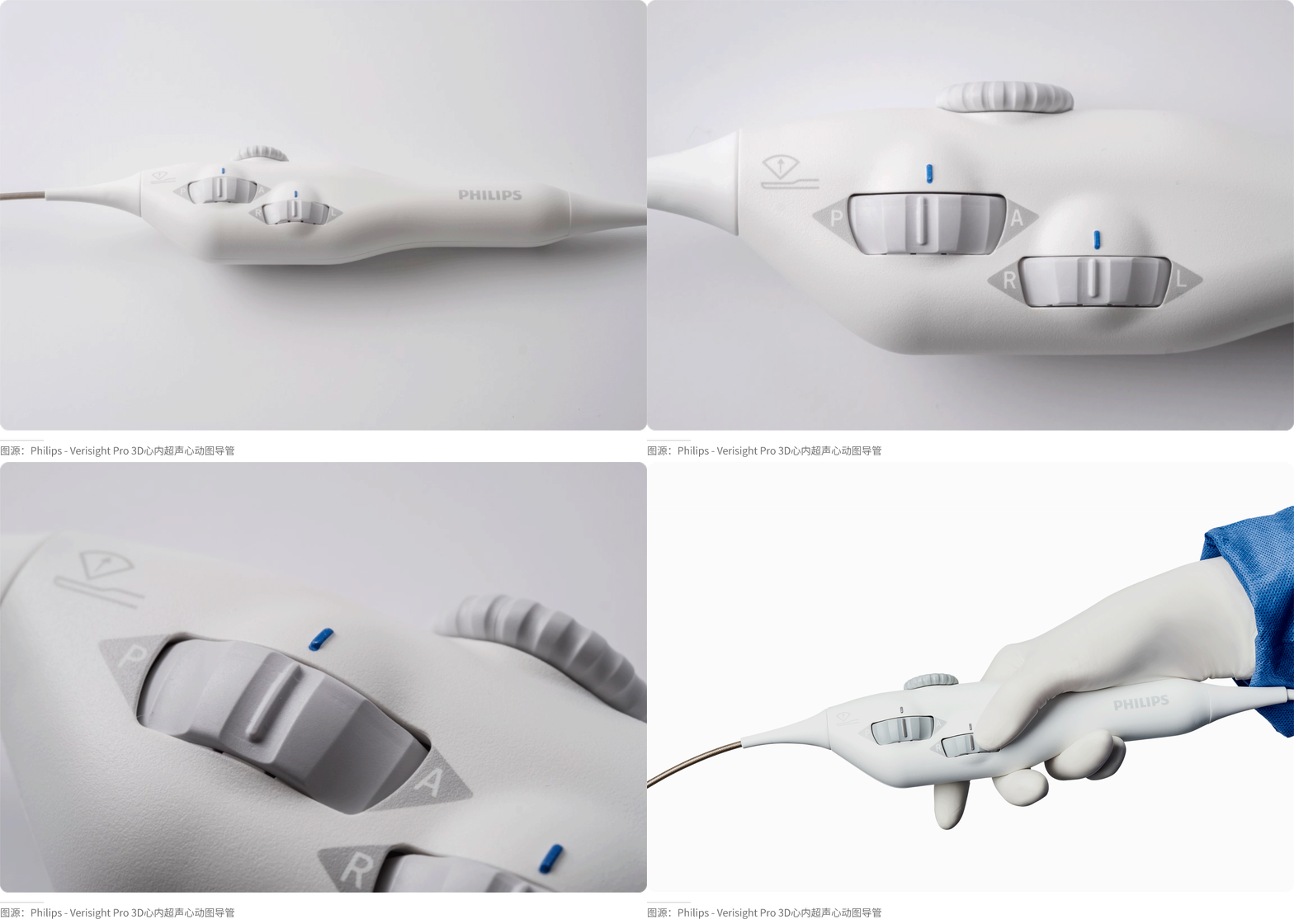
This is one of the most common functions. By adding concave-convex or granular textures, product friction can be significantly increased to prevent slipping, ensuring user safety and operational stability. On handheld medical devices, micro-textures can markedly enhance grip, providing doctors with a sense of secure control and safety during critical moments.
2. Tactile Operation and Interactive Guidance
Texture is a silent "instruction manual." By designing distinct textures for different functional areas, users can be intuitively guided on hand placement and operational steps. Tactile Feedback: Designing specific textures, such as raised dots or stripes, on buttons, knobs, or sliders enables "eyes-free" operation through tactile feedback, enhancing usability. For visually impaired individuals, texture can even serve as a language of accessibility.
3. Cleanability and Durability
Medical products must withstand repeated, rigorous disinfection. When designing textures, considerations extend beyond aesthetics to include ease of cleaning, avoiding hard-to-reach corners where dirt can accumulate. Furthermore, well-designed textures can cleverly conceal minor scratches from long-term use, maintaining a professional appearance that stands the test of time. For example, fine brushing or matte finishes can effectively mask subtle scratches from daily use, extending the product's visual "freshness."
· Making Products More "Emotionally Resonant"
The hospital environment is often associated with anxiety and unease for patients. The visual appearance and tactile feel of medical products can subtly influence their psychological state.
1.Enriching Tactile Layers
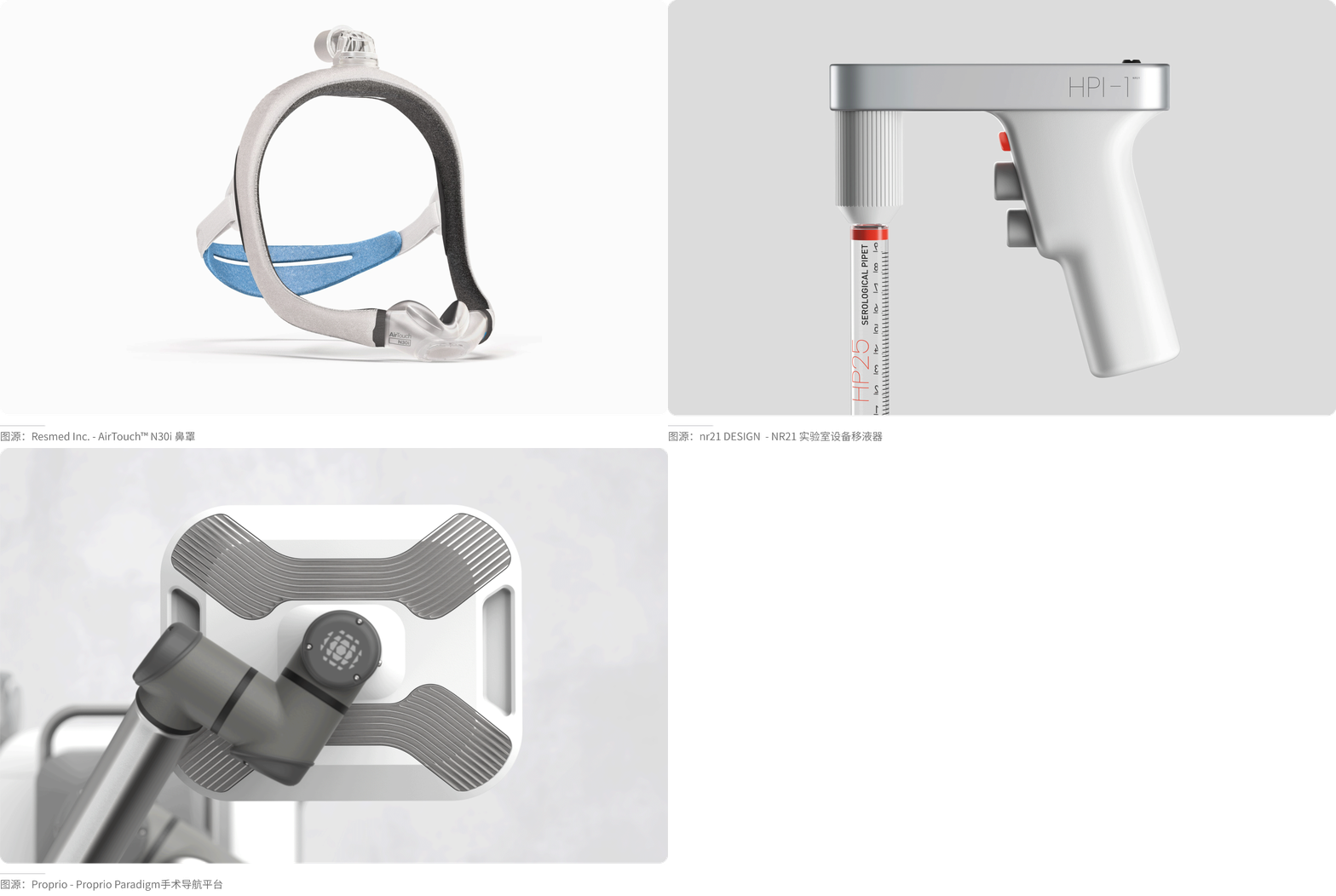
Different textures and material qualities can provide rich, comfortable, or engaging tactile experiences, enhancing user interaction. For example, soft, warm textures may convey a sense of warmth and care, while solid, cool textures might express stability and reliability. Such variations in tactile sensation can foster emotional connections with users, increasing their satisfaction with and loyalty to the product.
2.Creating Atmosphere and Contextual Relevance
Texture helps users quickly grasp a product’s positioning and intended use context. Rugged textures may convey a sense of strength and robustness, while fine, delicate textures suggest precision and elegance. This enables medical products to positively influence users’ emotions and perceptions on a psychological level.
·Enhance Product Aesthetics
Texture is the magician of visual hierarchy, creating focal points and dimensional depth. Light and shadow interactions on textures amplify the product’s three-dimensional appeal while eliminating monotony.
1.Enrich Form & Elevate Dimension + Texture
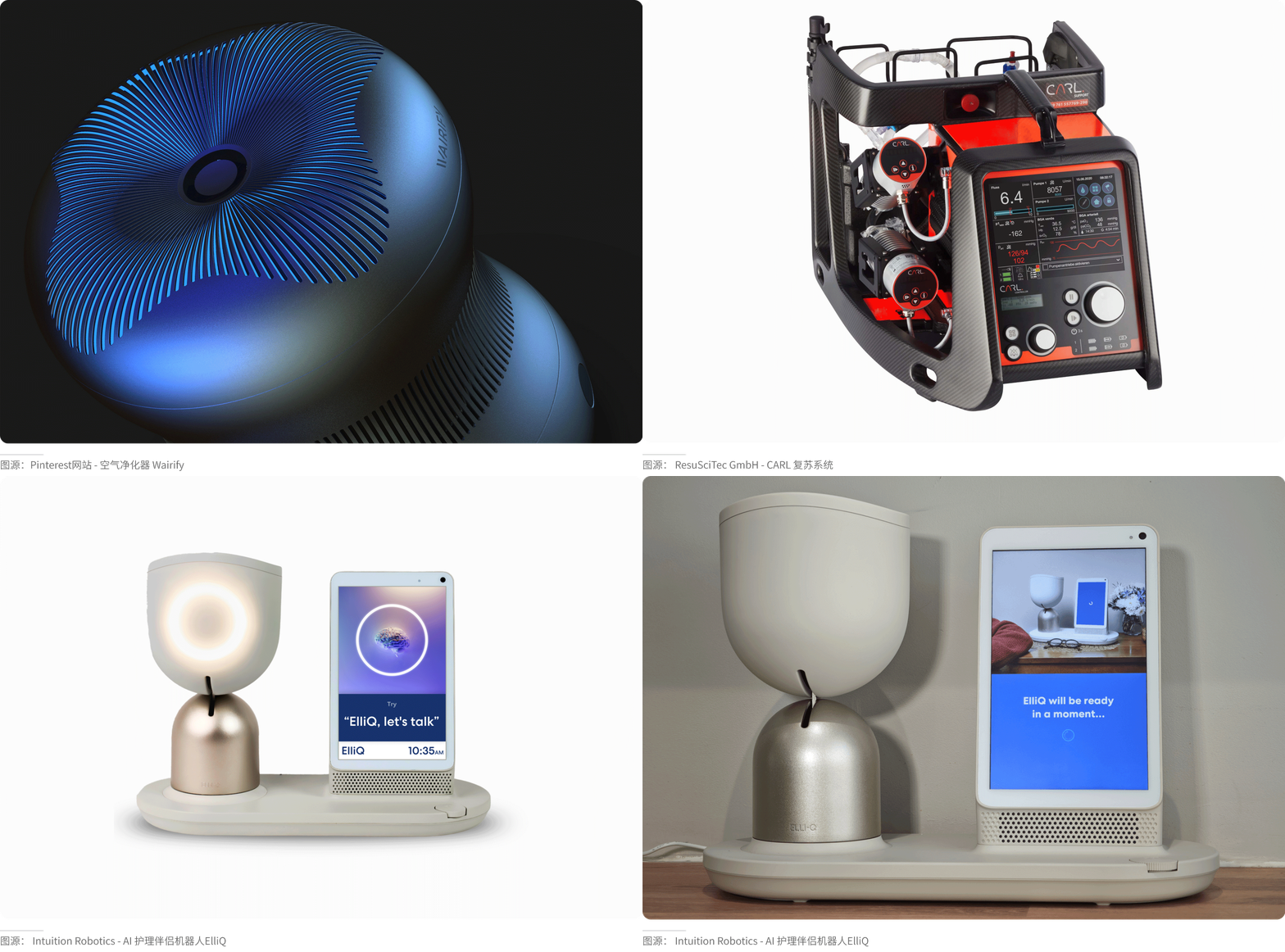
Texture design dramatically enriches the form of medical products, transforming them from monotonous to dynamic and layered. Diverse texturing techniques—such as embossing, grooving, and color gradients—visually intensify three-dimensionality, endowing products with a fuller, more sculpted presence. Meanwhile, texture design enhances tactile and visual quality: whether a silky-smooth touch or bold, impactful visual expression, desired textures are precisely achievable through deliberate design.
2.Convey Quality & Brand Positioning
Meticulously crafted textures communicate the premium quality of medical products. A sleek surface, intricate texture, or high-grade material inherently evokes perceptions of superior quality and sophistication. This quality messaging shapes brand identity, boosting market value. Additionally, texture design aligns products with brand positioning and target audience preferences, strengthening competitive edge in the marketplace.
(Methods for Product Texture Design)
Texture is not a design element that can be freely improvised—its final effect is constrained by the physical properties of the chosen materials and the production methods. Designers must select feasible and stable texture solutions based on the characteristics of the materials.
· Three Forms of Texture Design
1.Surface Concavity and Convexity
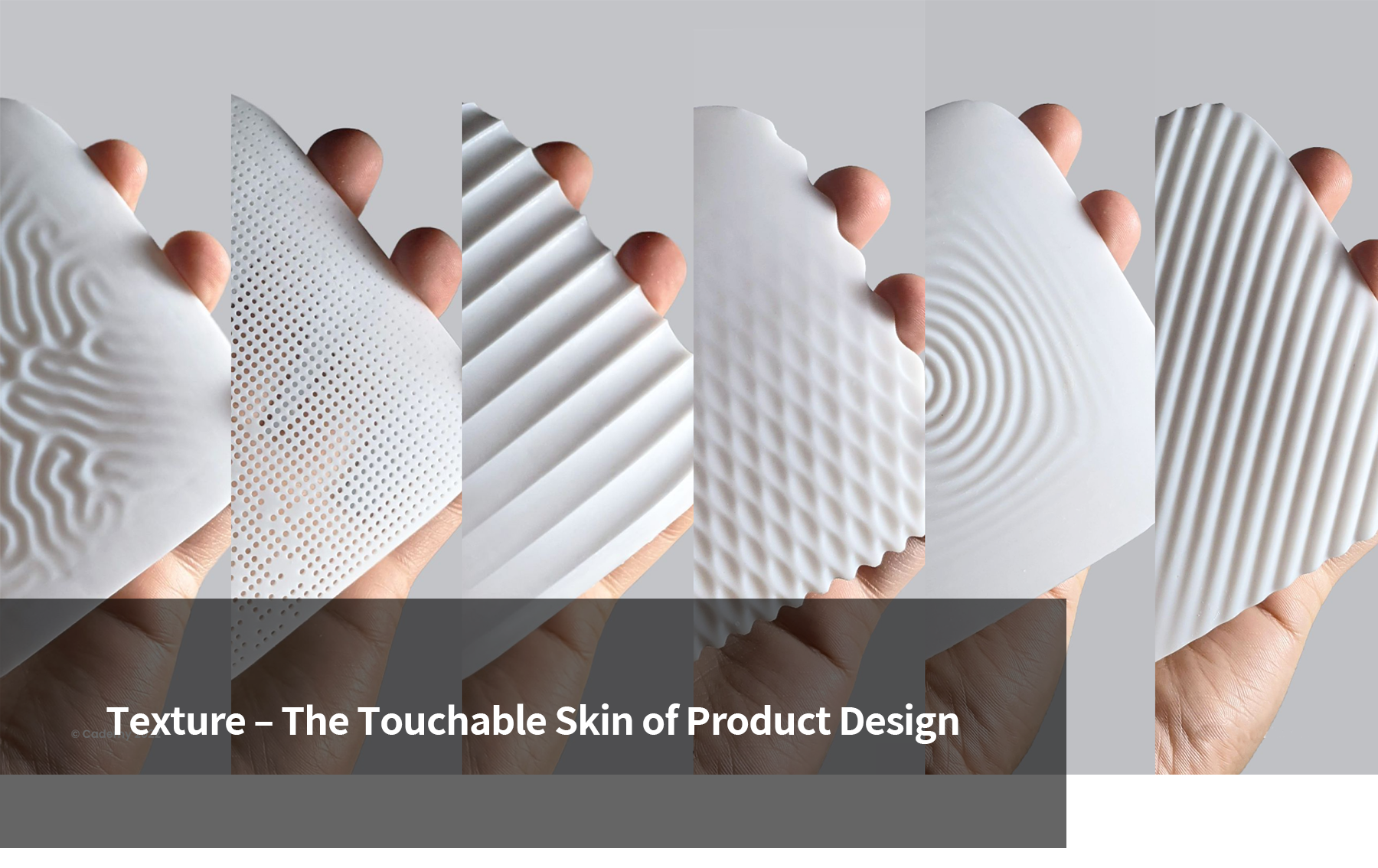
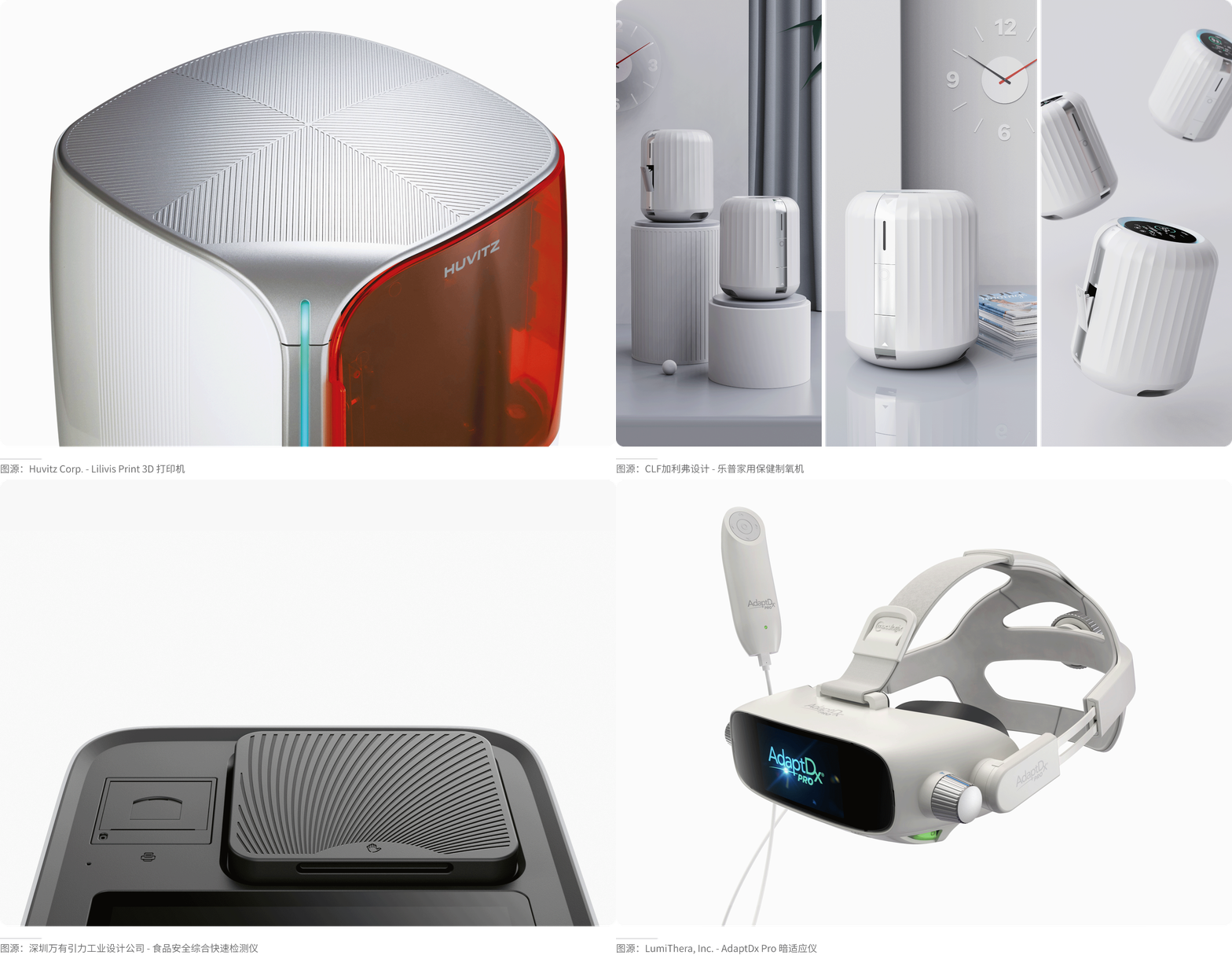
Surface concavity and convexity is a common form of texture design. By creating textures of varying shapes and sizes on the product surface, it adds rich layers and tactile experiences to the product. This design not only enhances the visual effect of the product but also allows users to feel a unique texture when touching it, thereby increasing the product's appeal.
2.Varied Perforations and Grids
Perforations and grids with rich variations are another important form of texture design. These apertures can be either regular or irregular, appearing on the surface of medical products in different shapes, sizes, and arrangements. This design not only enhances the aesthetic appeal of the product but also fulfills functional needs such as ventilation and drainage, making the product more practical.
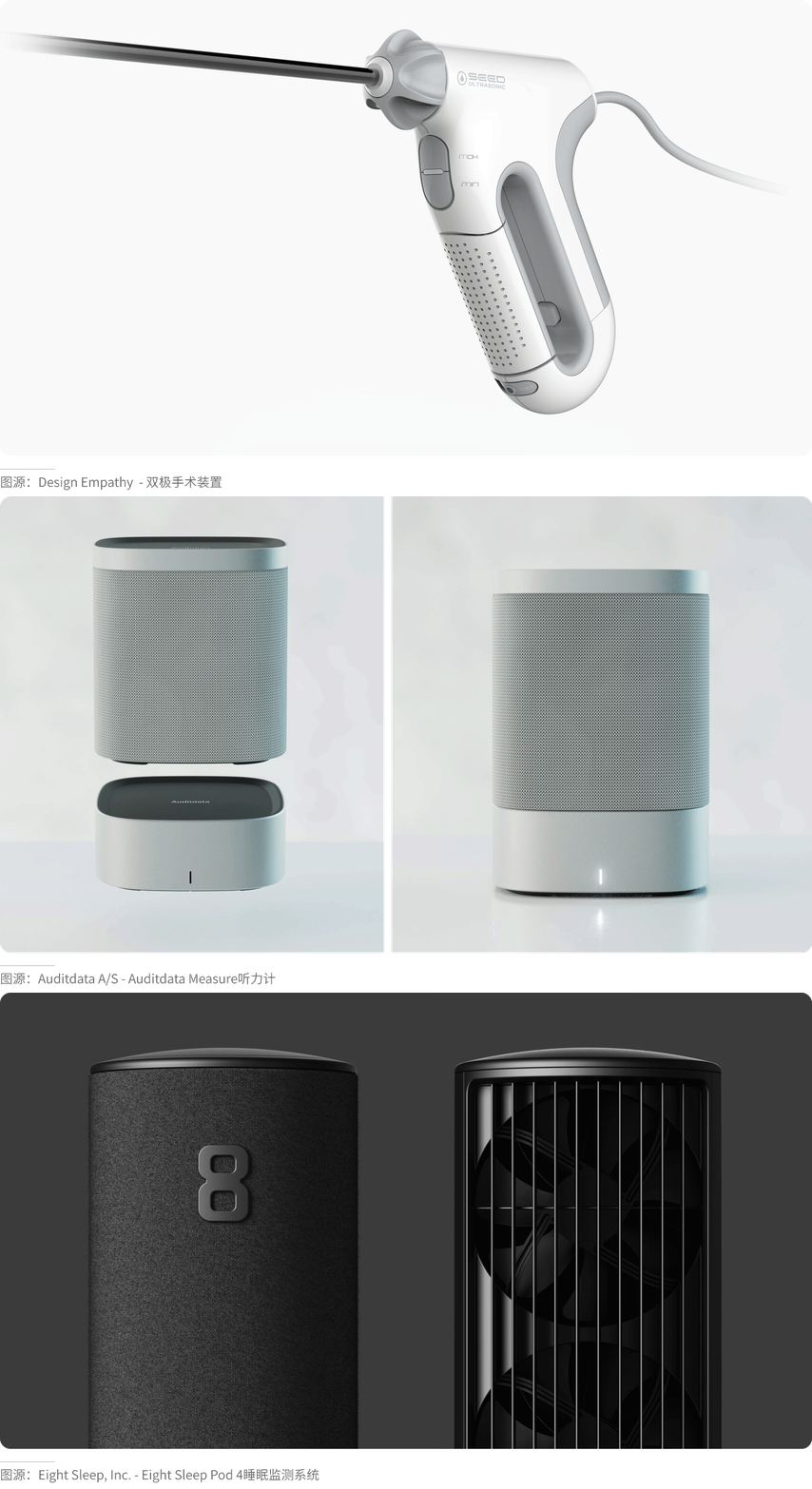
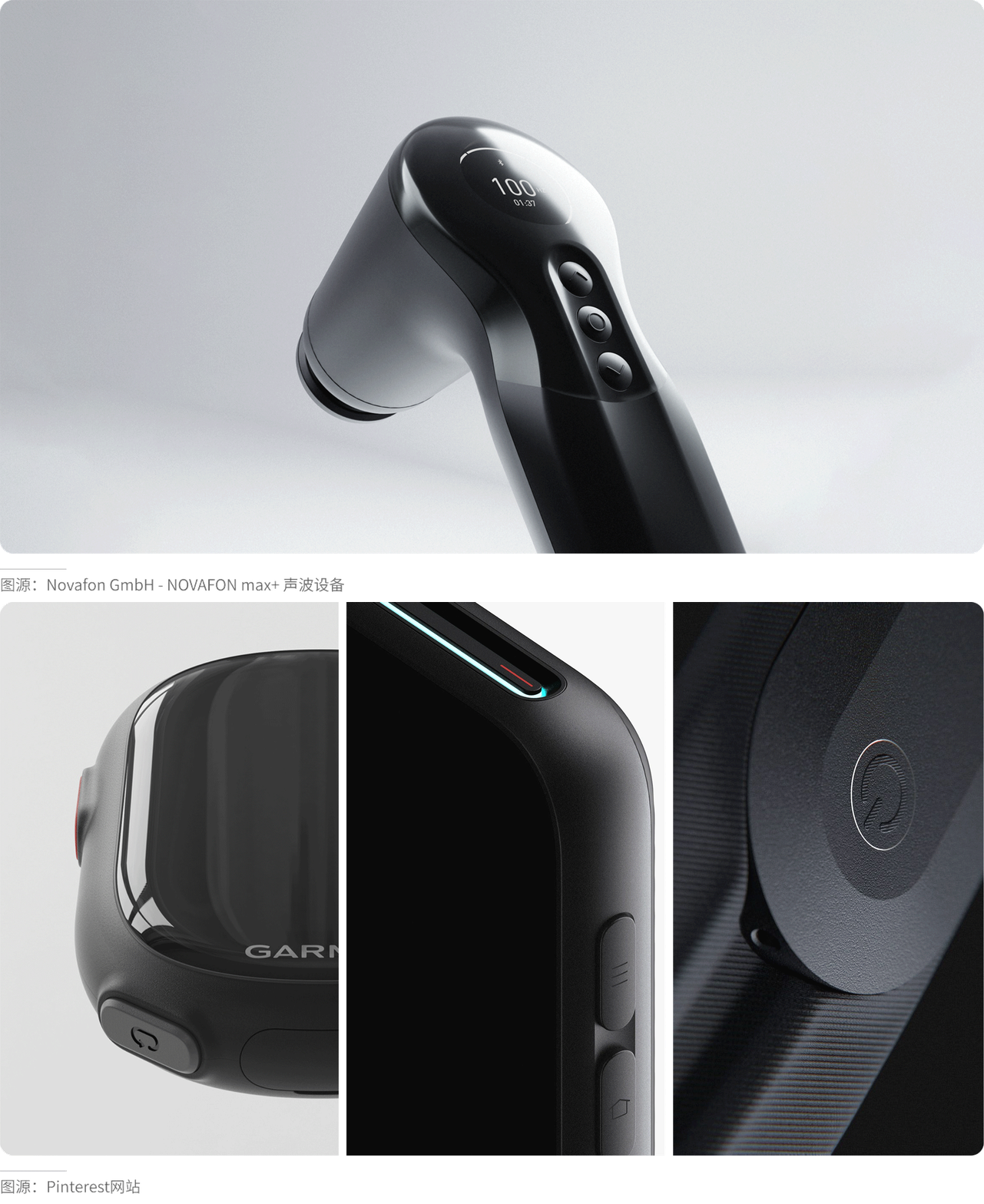
3.Matte and Glossy Finishes
The contrast in surface smoothness is also a significant form of texture design that should not be overlooked. By skillfully combining matte and glossy materials through the expressive effects of light, designers can create a unique visual impact. This contrast not only captures the user’s attention but also provides a distinct tactile difference, allowing users to experience richer sensory feedback when interacting with the product.
· Diverse Styles of Texture Design
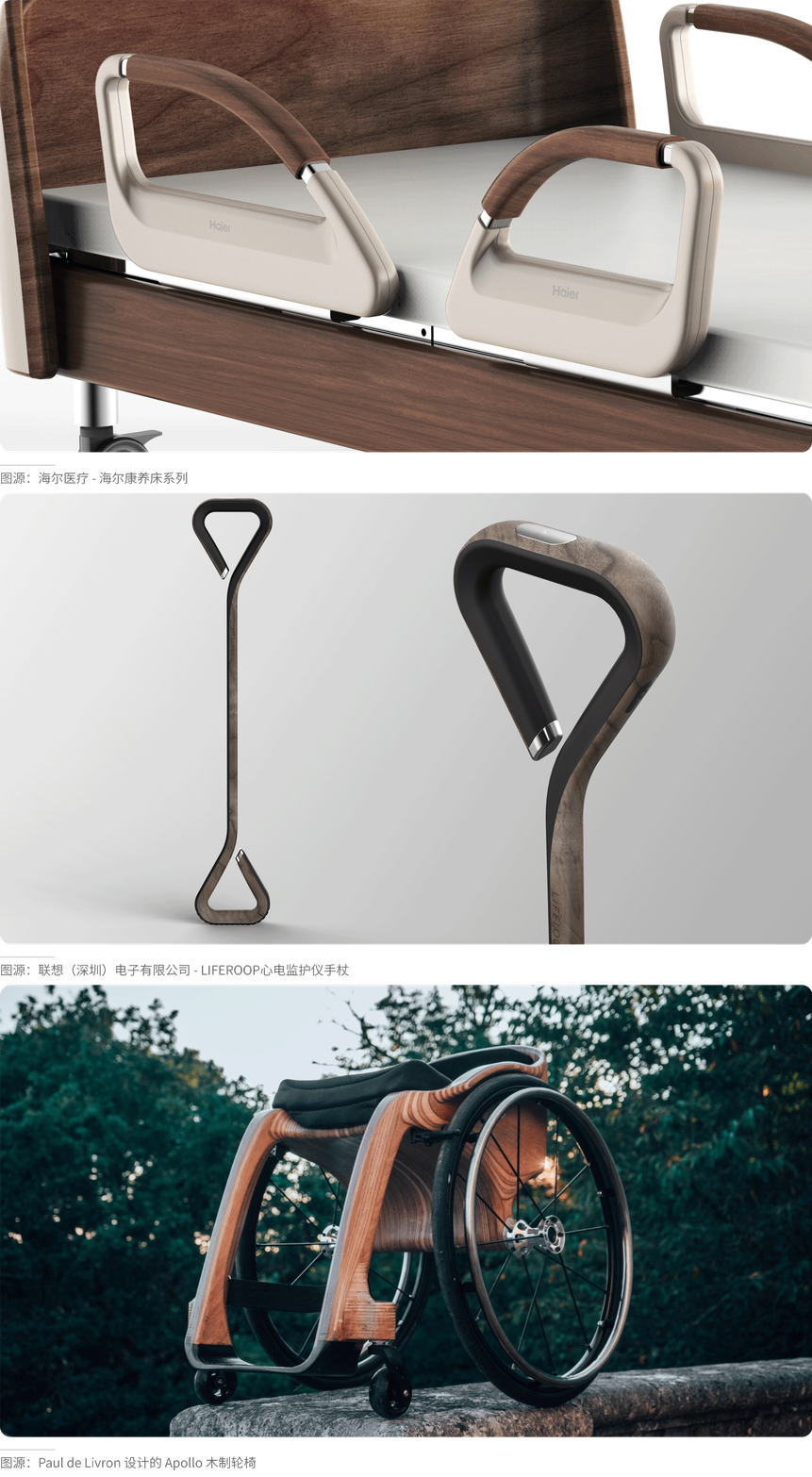
1.Natural Texture Imitation
Wood grain texture: Mimics the fine grain of natural wood, giving the product a natural and rustic feel.
Stone texture: Simulates the texture of materials like marble or granite, adding a sense of stability and elegance to the product.
Animal fur texture: Imitates the texture and feel of animal fur, such as leather or suede, enhancing a sense of luxury and comfort.
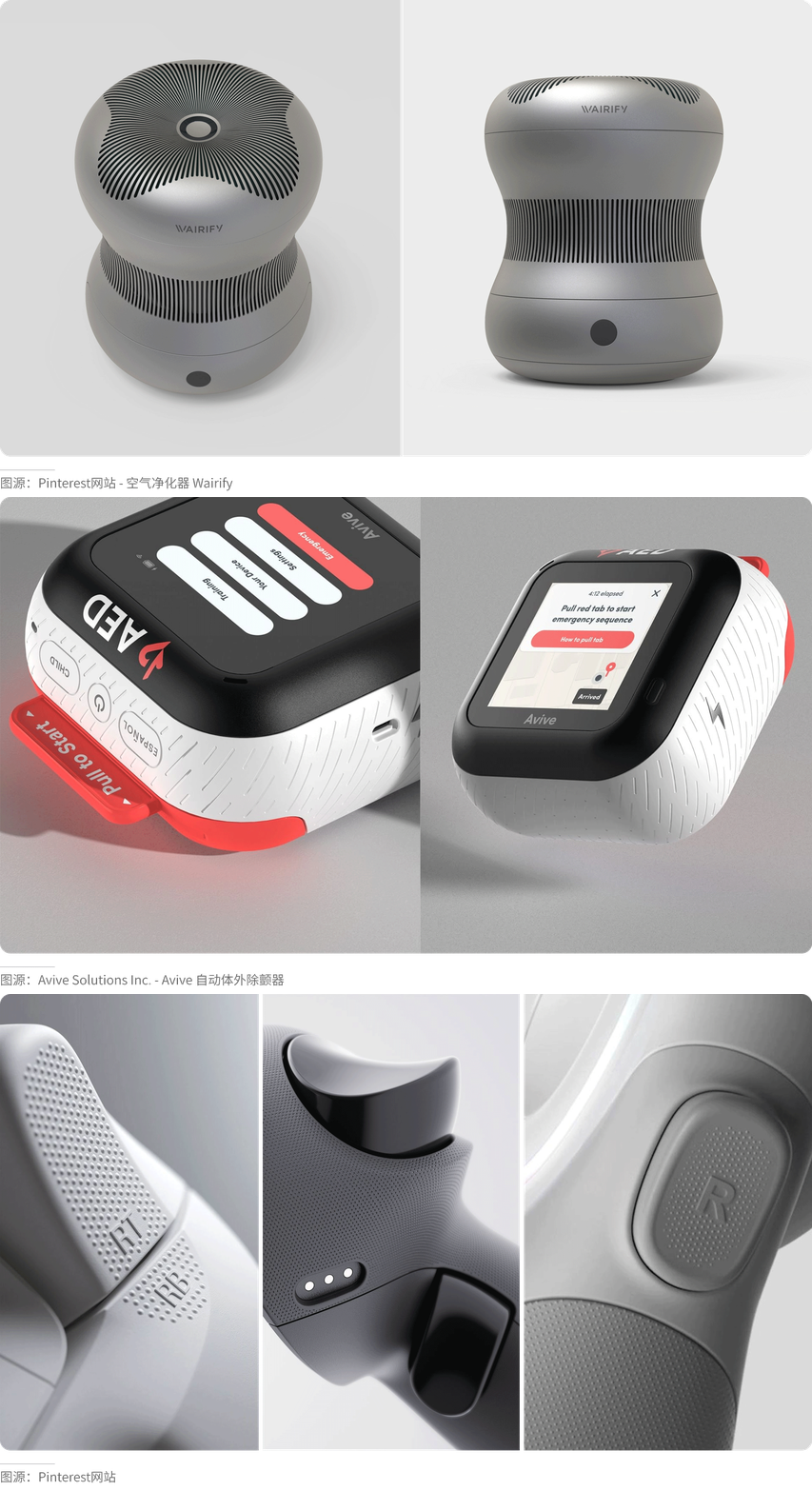
2.Geometric and Line Textures
Grid texture: Composed of regular lines or dots, forming grid-like patterns.
Geometric shape texture: Arrangements of shapes like circles, squares, or triangles to create unique visual effects.
Line texture: Uses lines of varying thicknesses and directions to form distinctive texture effects.
3.Abstract and Freeform Textures
Freeform texture: Features free and spontaneous patterns and lines, similar to the splashed ink effect in ink wash paintings.
Abstract pattern texture: Composed of irregular shapes, lines, and colors, offering artistic and innovative appeal.
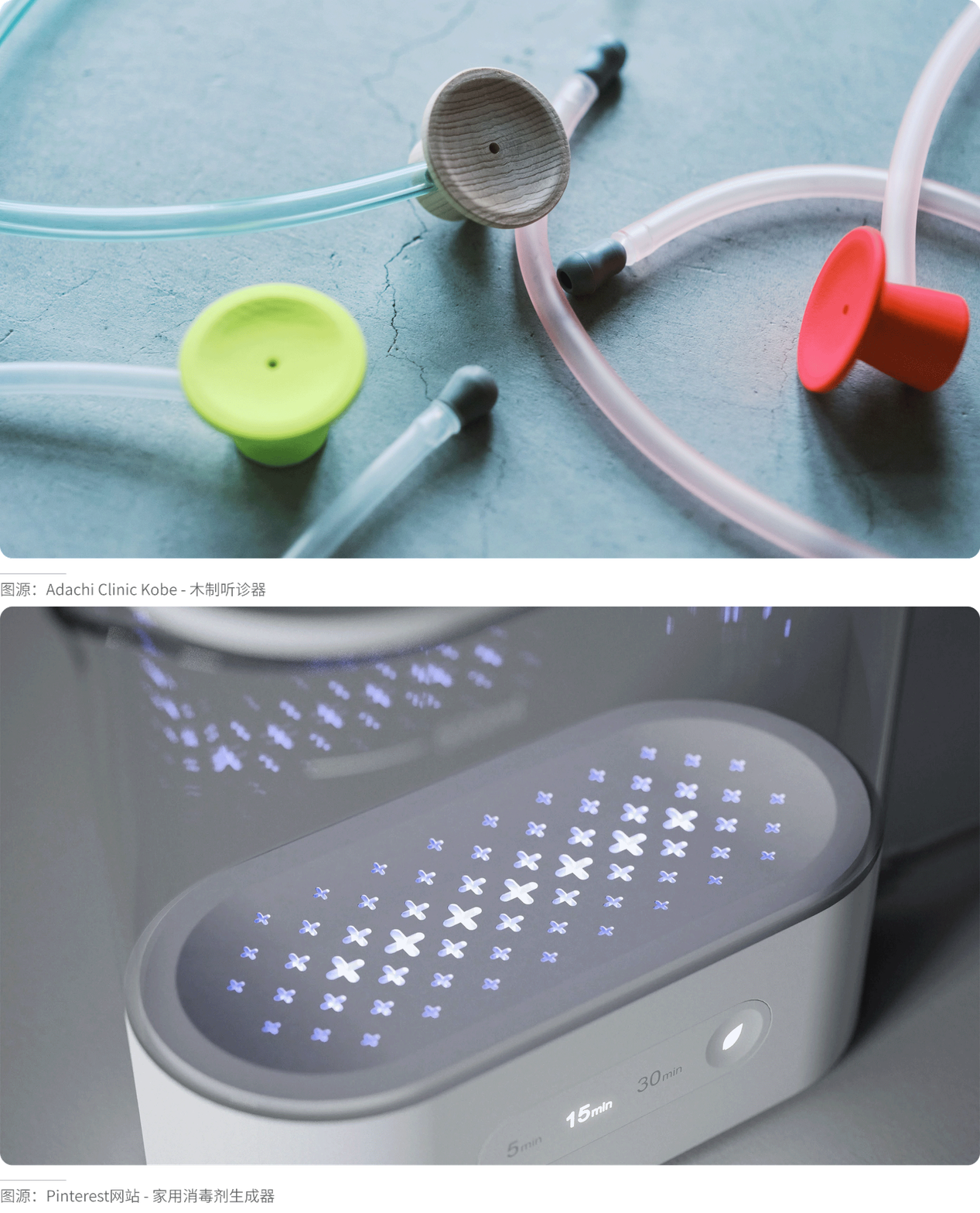
4.Technological and Craftsmanship Textures
Laser engraving texture: Utilizes laser technology to carve fine patterns and textures onto the product surface.
3D printing texture: Creates three-dimensional textures and patterns through 3D printing technology, adding unique visual and tactile experiences.
Spray painting and electroplating textures: Forms special surface finishes, such as matte, glossy, or metallic textures, through processes like spraying or electroplating.
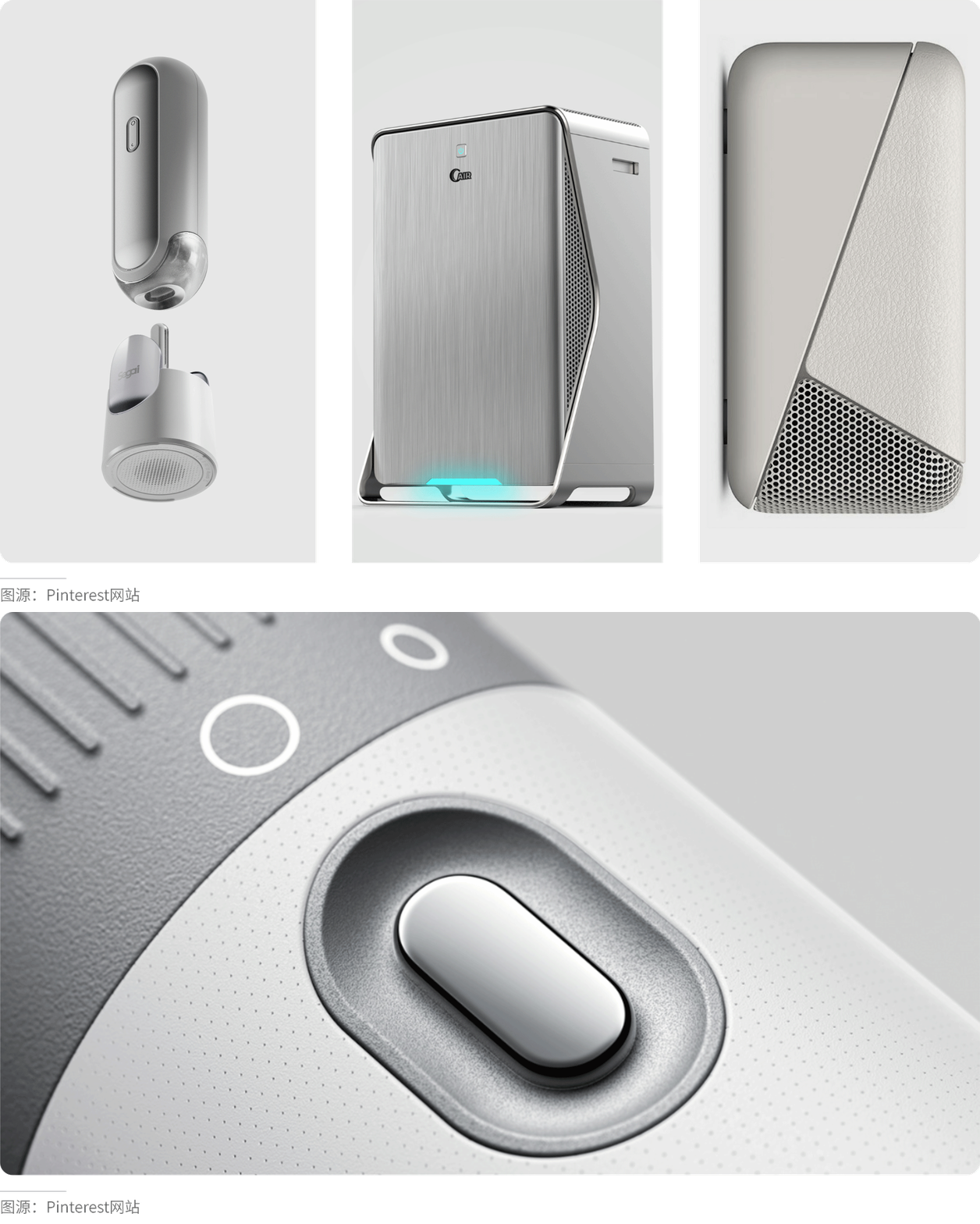
5.Color and Gradient Textures
Color texture: Uses contrasts or gradients of different colors and tones to create unique visual effects. The combination of texture and color produces new perceptual outcomes.
Gradient texture: Creates a sense of flow or layering through color gradients.
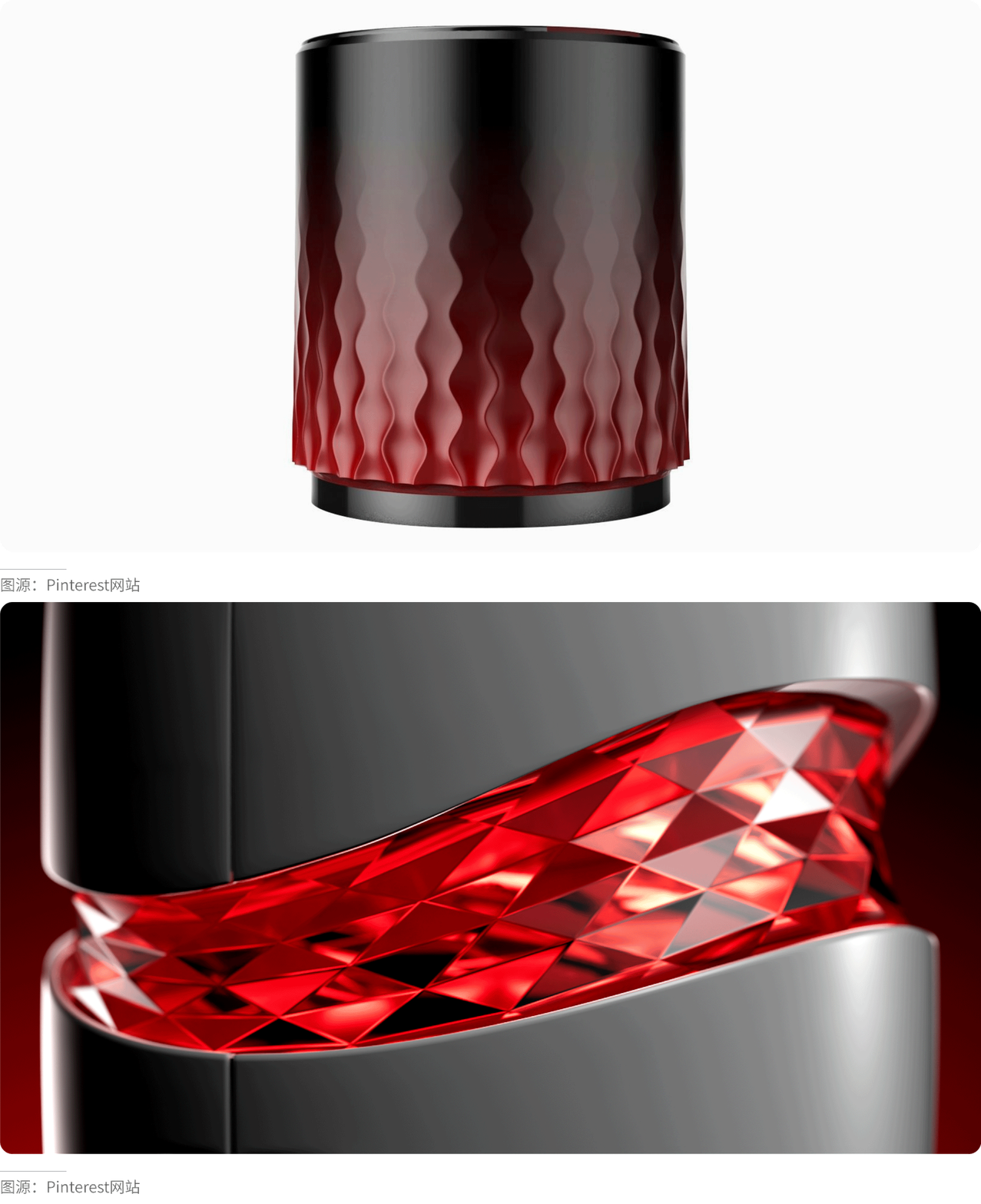
6.Other Creative Textures
Hand-woven texture: Produces unique texture effects through hand-weaving techniques.
Natural form imitation: Mimics textures of natural forms like water ripples, whirlpools, or leaves, adding vibrancy and playfulness to the product.
Digital texture: Utilizes computer software to create and edit texture effects, such as filters and texture libraries in Photoshop, enabling the creation of various unique digital textures.
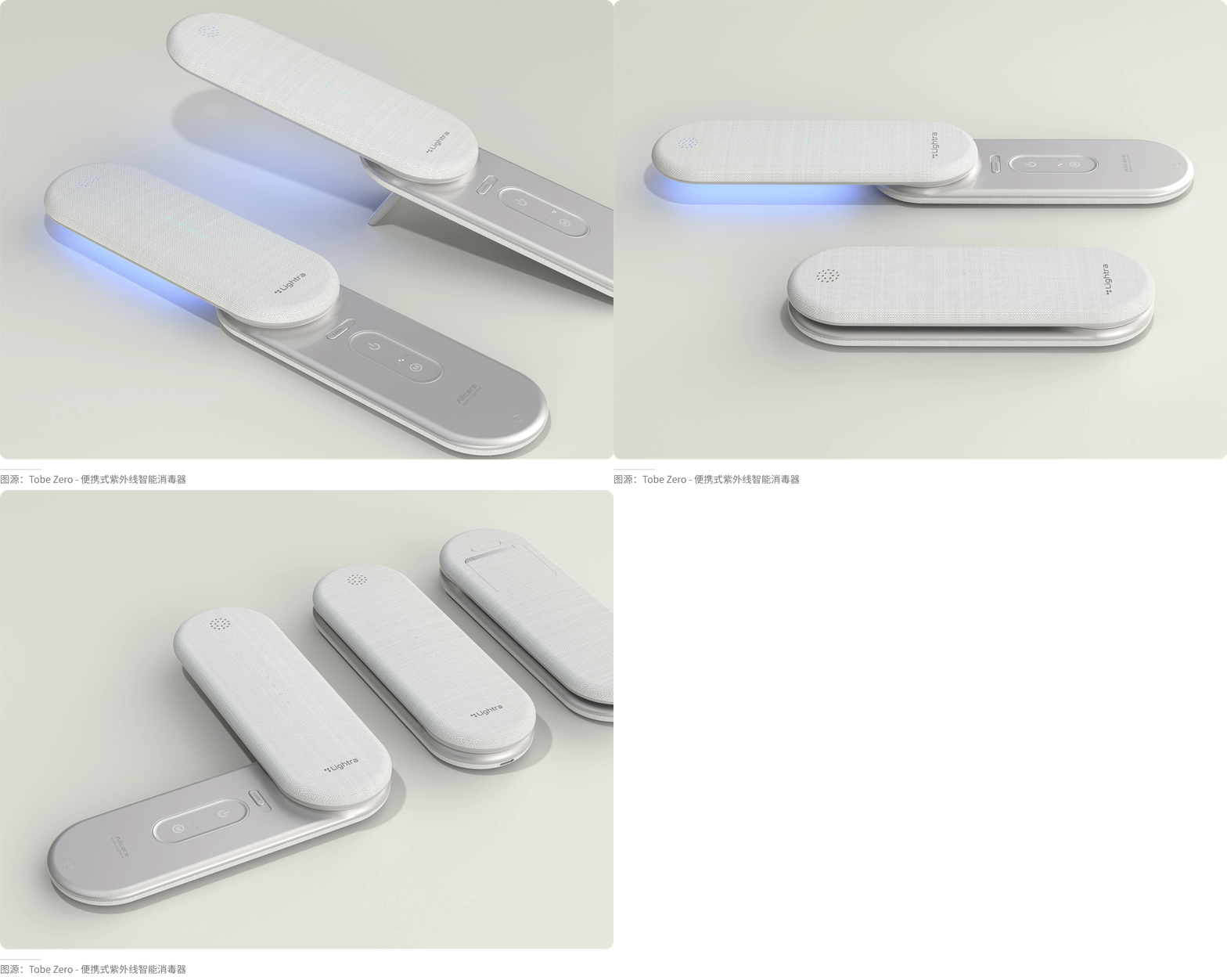
· Material Selection for Texture Design
1.Metal Materials
Suitable for uniform matte or linear textures. Processes such as sandblasting or brushing can create stable surfaces with good wear resistance, making them ideal for high-frequency use products.
2.Plastic Materials
Can achieve diverse textures through molding at low cost, making them suitable for mass production. They can replicate complex textures such as leather or wood grain but may age or scratch with long-term use.
3.Silicone/Rubber Materials
Capable of forming highly elastic concave-convex structures, providing soft and anti-slip tactile experiences. Often used for handheld or wearable parts, but ease of cleaning must be considered.
4.Fabric and Leather
Naturally feature irregular organic textures with a layered and authentic feel. However, batch variations exist, so tolerance margins must be factored in during design.
5.Glass and Ceramics
Smooth surfaces rely on localized treatments for texture. Techniques like etching or coating are often used to create partial contrasts for visual effect. While easy to clean, deep textures may lead to stress concentration.
(Conclusion)
Texture design in medical products is a fusion of rationality and sensibility, requiring a balance of aesthetics, functionality, cost, and user psychology. Excellent design can captivate users "at first glance and leave a lasting impression with every touch," becoming an invisible yet powerful differentiator. Designers must focus on microscopic details, using texture as a medium to forge deep emotional connections between people and objects.
At WYYL Design, we believe that the mastery of texture directly determines the success of a medical product design. When applied appropriately, texture enhances the allure of a design. On one hand, it is perceived as the expression of materials; on the other, it manifests through advanced craftsmanship to create new tactile forms. Different materials and techniques yield diverse texture effects, enriching the external design language.
Thank you for your attention and support. Stay tuned for more insights in our next issue!