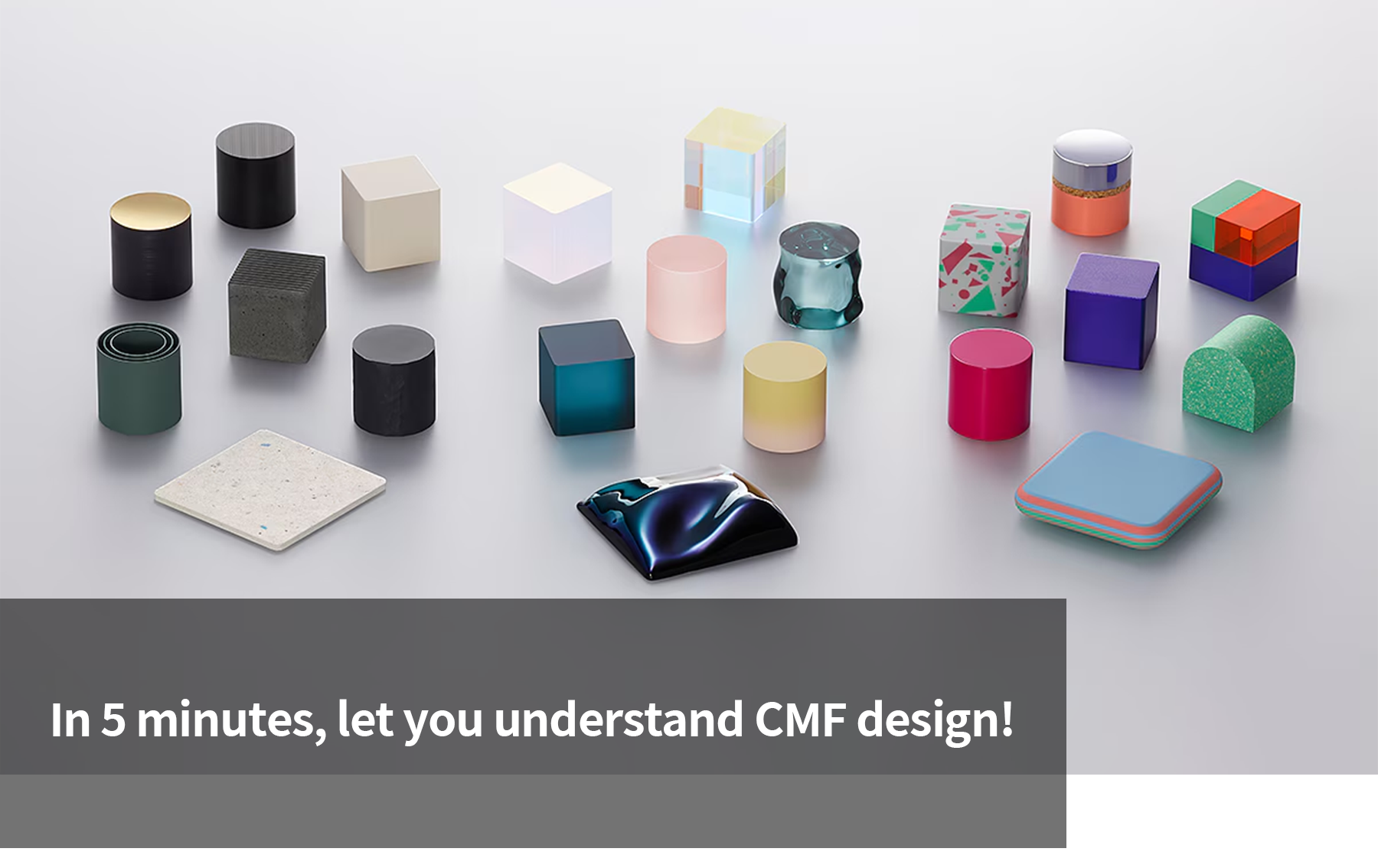
In 5 minutes, let you understand CMF design!
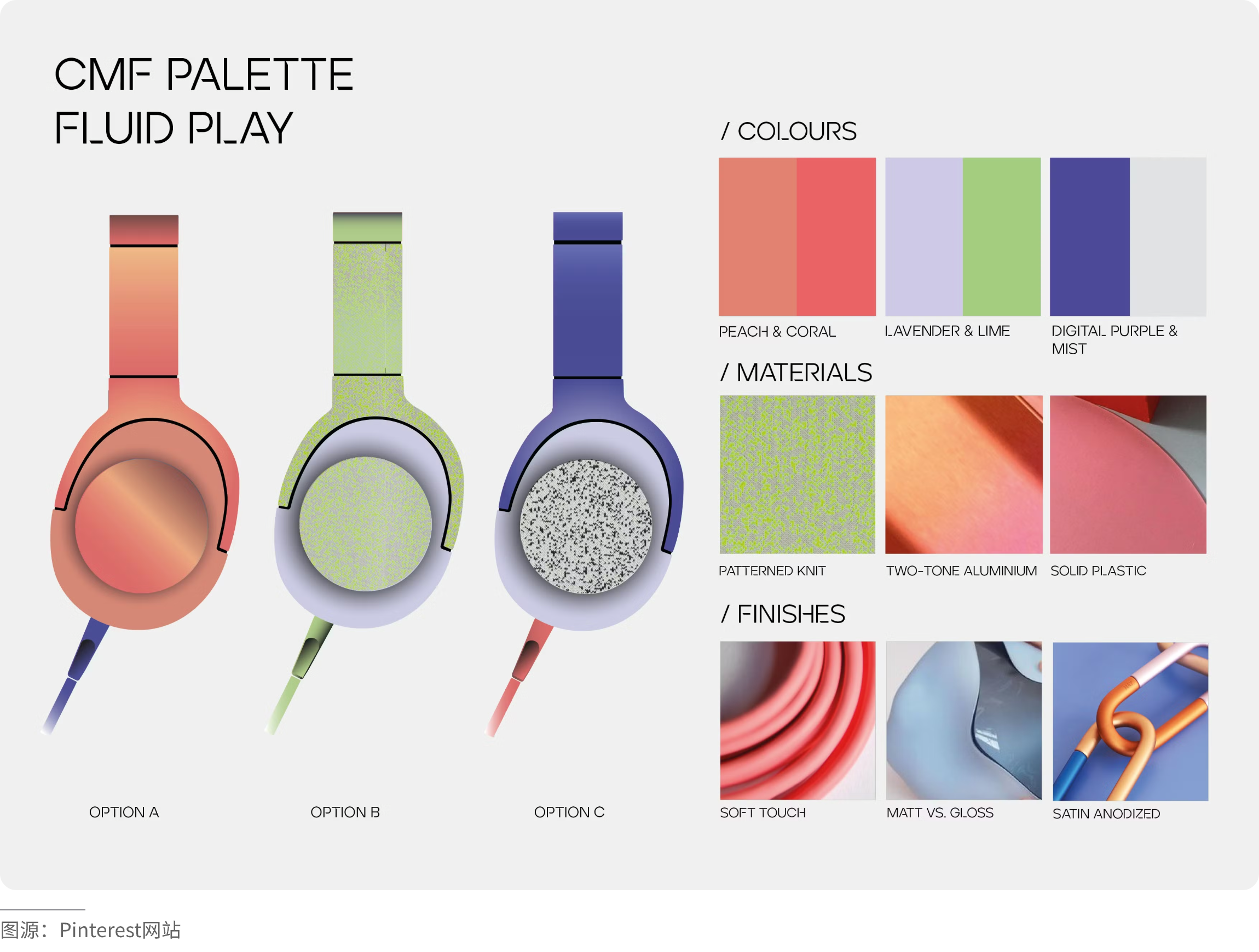
Product design is a discipline encompassing numerous elements, aimed at creating products that are not only functionally practical but also resonate with consumers on aesthetic and emotional levels. CMF design is one of the most important aspects of product design, focusing on transforming products into memorable and user-engaging details. CMF stands for Colour, Material, and Finish—three essential components in the design process of any item, whether it be technological products, medical devices, furniture, or automobiles.
Outline for this issue:
· What is CMF?
· Why is CMF design so important?
· Colour, Material, and Finishing Processes
(What is CMF?)
CMF is a specialized field within industrial design that focuses on the material properties of physical products. It is an integrated design discipline encompassing Color, Material, and Finishing, which together coordinate the visual, tactile, and functional expression of a product. CMF design serves as a practical force that drives products from design concepts to market success. Through in-depth research and application of colors, materials, and finishing processes, CMF design addresses the feasibility of bringing concepts to reality—including manufacturability, cost control, and supply chain alignment—while endowing products with distinctive market identity, exceptional user experience, and strong brand expression. Regardless of the product, it is essential to specify colors, materials, and finishing processes to create an experience that aligns with the product’s characteristics or the expectations of the end user.
(Why is CMF design so important?)
Q: In today’s era of digital retail and online‑first experiences, is CMF design still important?
A: Yes.
Here are some benefits that well‑designed CMF (Color, Material, and Finish) can bring to products:
1.Market Differentiation
In a highly competitive market, CMF design enables products to stand out from numerous competitors. The right choices of color, material, and finish make products more recognizable and appealing to consumers. In industries such as technology or fashion, CMF design is even a key factor influencing purchasing decisions, as it directly relates to brand recognition and value.
For example, Illumina, Inc. demonstrates a strong command of color, material, and finish on its devices. Metallic finishes, sleek colors, and high‑quality materials create a sense of luxury, setting its products apart from many medical device manufacturers. This clearly shows how CMF design can shape brand image.

2.Enhancing User Experience
User interaction with a product goes far beyond its basic functionality. Consumers seek not only practicality but also a pleasurable sensory experience. CMF (Color, Material, and Finish) design directly influences how a product feels in the user’s hand and how it is perceived visually.
For example, in the design of home medical products, the combination of soft materials and natural textures can create a sense of comfort and warmth. In contrast, medical devices with cold, smooth surfaces may convey a clean, intuitive, and professional experience. The three elements—color, material, and finish—also affect ergonomics, as texture or surface treatment can improve grip or comfort during use.

3.Cost Optimization and Sustainability
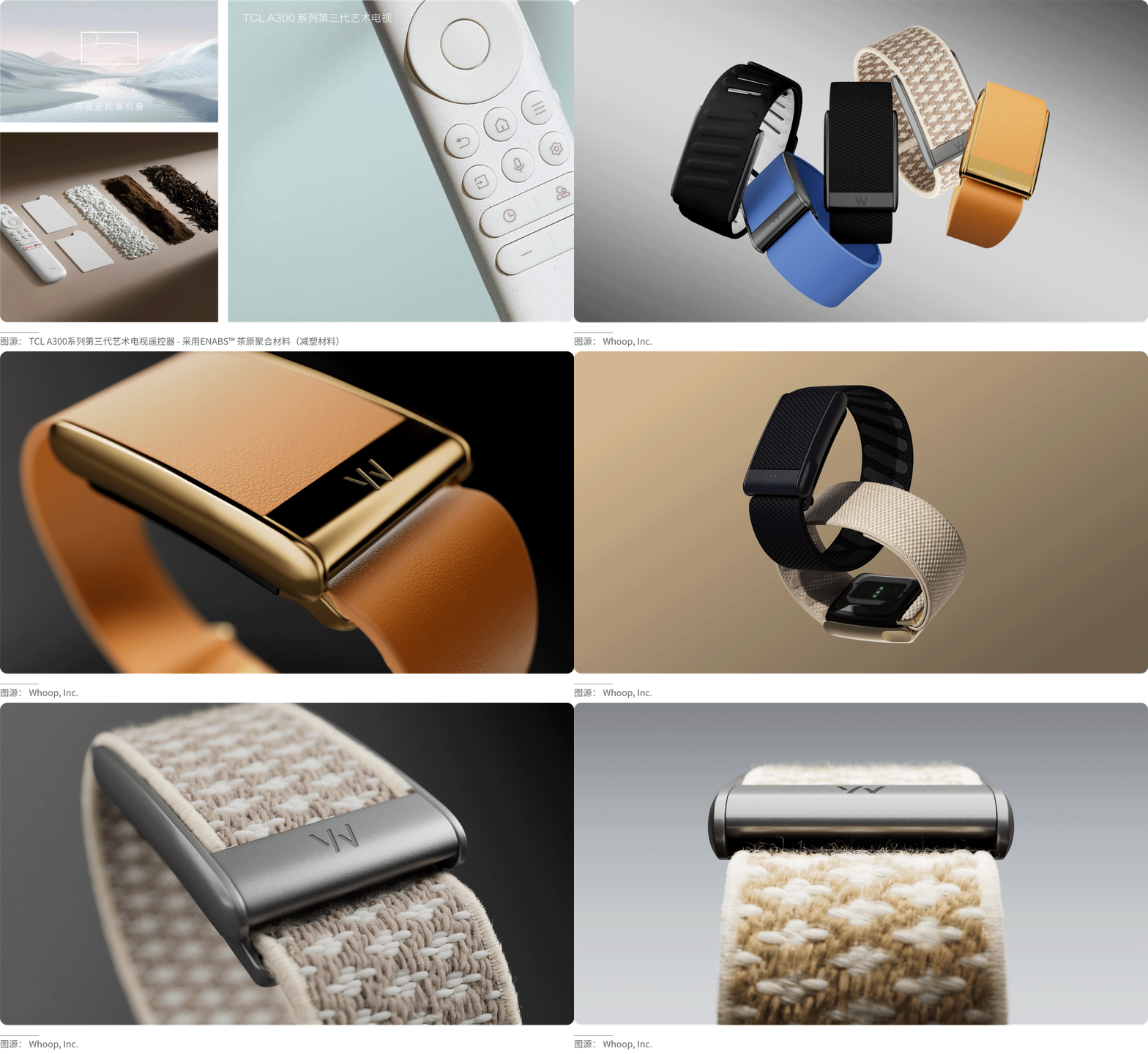
The choice of color, material, or finish directly impacts production and cost. In some cases, a specific finish can make a lower‑cost material appear more premium, allowing brands to optimize production costs without compromising user perception.
Additionally, a growing number of companies are integrating sustainability into their business models by opting for recycled materials or eco‑friendly finishes. Market demand for sustainable products has grown significantly, and many brands now view CMF design as an opportunity to deliver innovative and environmentally conscious solutions.
4.Building Emotional Connections with Consumers
Consumers often make purchasing decisions based on emotion, and CMF (Color, Material, and Finish) design serves as a powerful tool for forging such emotional connections. Colors, textures, and materials can evoke emotions and memories, creating a sensory experience that transcends the product’s core functionality.
The automotive industry offers a compelling example, where designers strive to ensure that vehicle interiors convey a sense of luxury, comfort, or sportiness. High‑quality leather, pleasing color combinations, and tactile finishes all influence how consumers feel inside the car, thereby forging an emotional connection with the brand.

(Colour, Material, and Finishing Processes)
CMF design focuses on the visual and tactile elements of a product. While factors such as functionality and engineering determine how a product is used, CMF design defines how it looks, feels, and is perceived by users. We will analyze each element of CMF design one by one.
· Key Specifications of Color
Color is not merely a sensory expression—it is quantifiable and controllable! As the most intuitive element in CMF design, the industry widely adopts standardized color systems as a communication language to ensure color accuracy from design to production. Color model systems allow us to specify or define colors using a set of numbers or letters. For example, the RGB color model is very popular in digital design. Like many other color model systems, RGB is based on color theory.
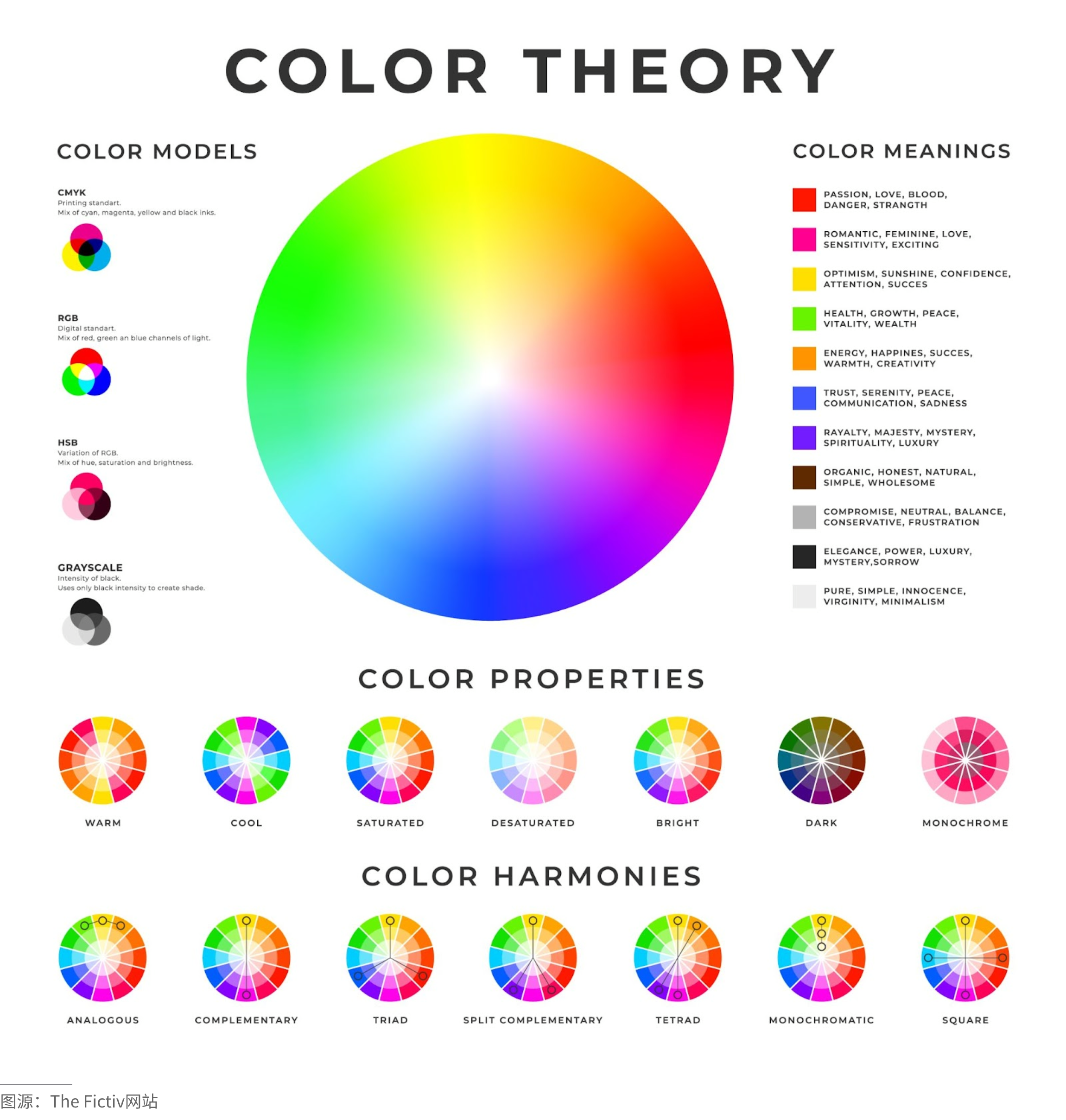
The following is a brief overview of several color model systems used for defining product colors:
1. Basic Color Model Systems (Digital Definition and Measurement)
(1) RGB Color Model (Additive Color Model)
Principle: Colors are produced by combining red (R), green (G), and blue (B) light. The higher the intensity of the combination, the closer it becomes to white; black is represented by zero intensity for all channels.
Standard Range: In 8‑bit color, each channel ranges from 0 to 255, expressed as hexadecimal (e.g., #FF0000 for pure red) or decimal (e.g., R=255, G=0, B=0).
CMF Application: Used in the digital design phase (UI/UX, 3D rendering, product visualization) and for defining colors of products with screen displays.
(2) CMYK Color Model (Subtractive Color Model)
Principle: Colors are produced by mixing four inks: cyan (C), magenta (M), yellow (Y), and black (K). The higher the ink concentration, the darker the color; white is represented by the absence of ink.
Standard Range: Each channel ranges from 0% to 100%, indicating the ink dot coverage percentage.
CMF Application: Used for product packaging printing, graphic promotional materials, and color communication for certain coating processes.
(3) CIELAB Color Model (Perceptually Uniform Model)
Principle: Published by the International Commission on Illumination (CIE) in 1976, this model is based on human visual perception and describes colors using three dimensions:
L*: Lightness (0 = black, 100 = white)
a*: Red–green axis (positive values indicate red, negative values indicate green)
b*: Yellow–blue axis (positive values indicate yellow, negative values indicate blue)
CMF Application: Serves as the core standard for color measurement and quality control, enabling color consistency evaluation across different materials and processes—for example, matching colors between plastics, metals, coatings, and other materials.
2. Industry Standard Color Swatch Systems (Physical Reference Standards)
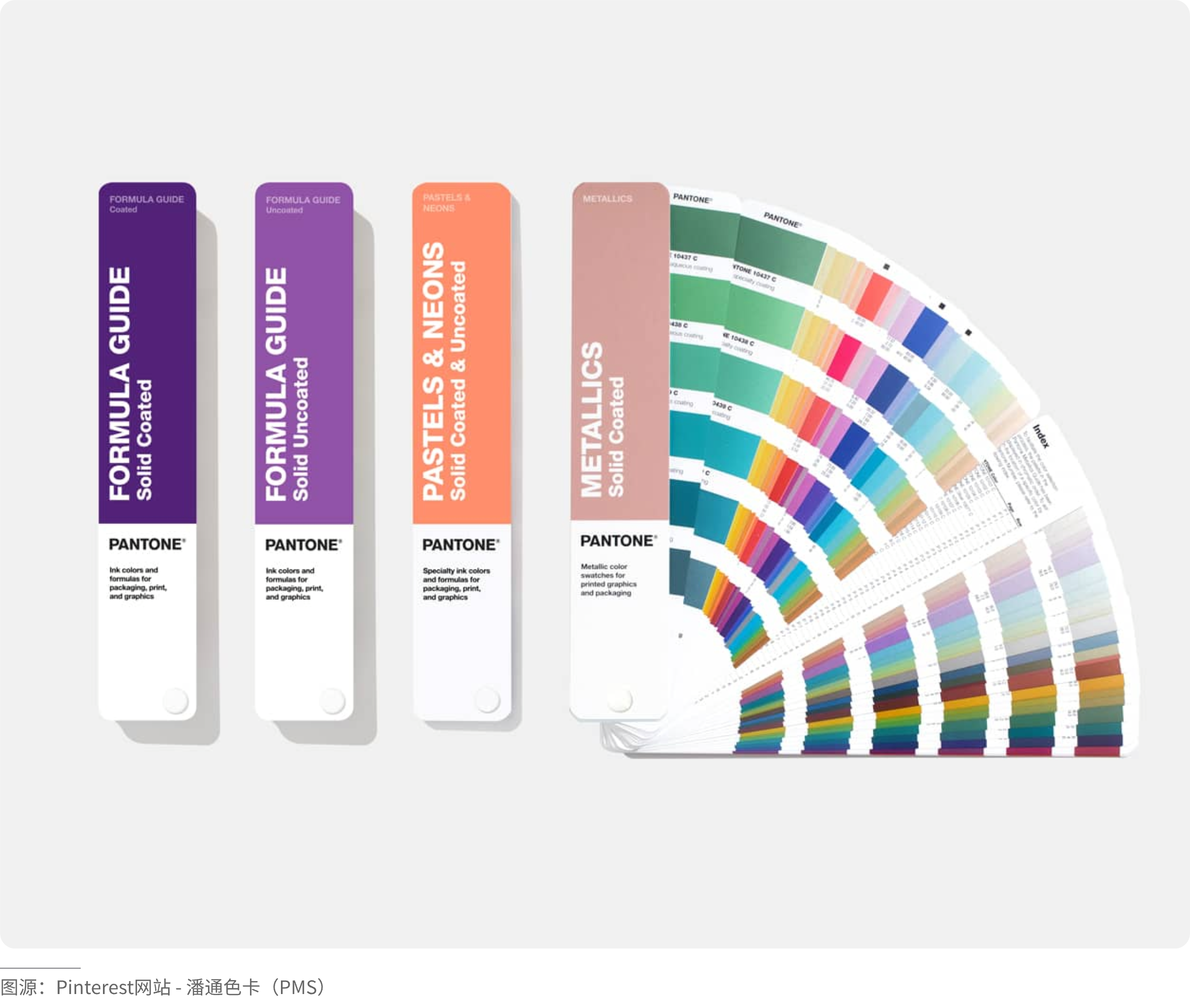
(1) PANTONE Color System
Origin: Introduced by the American company Pantone in 1963, initially for printing and later expanded across industries.
PANTONE MATCHING SYSTEM (PMS): A spot color system where each color number corresponds to a unique pigment formulation.
PANTONE C/U: C = Coated (gloss finish), U = Uncoated (matte finish), adapted to different surface treatments.
PANTONE Connect: A digital platform that bridges physical and digital color swatches, supporting CMF digital workflows.
CMF Application: A globally recognized color communication standard used in consumer product design, automotive interiors and exteriors, and packaging printing.
(2) RAL Color System
Origin: Developed in 1927 by the German National Commission for Materials and Goods Inspection. It is the most authoritative color standard in the European industrial sector.
RAL Classic: 213 basic colors, identified by 4‑digit codes (e.g., RAL 3000 for Flame Red).
RAL Design: 1,825 colors based on the CIELAB color space, offering a wider range of color choices.
RAL Effect: Color standards for special effects such as metallic and pearlescent finishes.
CMF Application: Industrial equipment, building materials, automotive components, construction machinery – the preferred color standard for products in the European market.
(3) NCS (Natural Color System)
Origin: Developed by the Swedish Colour Centre Foundation, based on the human eye’s natural perception of color rather than pigment mixing principles.
Three color description attributes: Blackness (S), Chromaticness (C), and Hue (H), expressed as SXXCX‑HXX, e.g., S1050‑Y90R.
The color samples cover over 90% of the colors visible to the human eye, providing a complete color gradient from light to dark and from grayish to vivid.
CMF Application: Nordic design style products, home furnishings, textiles, automotive interiors – design fields that emphasize natural color expression.
Color Tolerance Value (Delta E, ΔE)
ΔE < 1: Almost imperceptible to the naked eye
ΔE < 3: Industrially acceptable
ΔE > 3: Re‑coloring recommended
During proofing, always unify the light source, e.g., D65, TL84, etc. The lighting conditions (D65, TL84) and observation angles (2°/10°) must be specified to avoid metamerism.
Process Adaptation: For common plastics (PP/ABS), low‑to‑medium saturation is recommended; dark colors tend to show scratches easily. For engineering plastics (PC/PA), high‑saturation colors are feasible. The boundary gap for two‑shot molding should be ≤ 0.1 mm.
·Material Key Specifications
Materials directly define the fundamental tactile feel and visual weight of a product. They carry core functional attributes—for example, aluminum alloy achieves lightweight construction and efficient heat conduction, while silicone provides shock absorption and sealing performance. Materials also serve as a measure of perceived user value: walnut wood veneer conveys a warm, premium feel, whereas recycled plastics reflect eco‑friendliness and approachability. Material selection is an art of balancing function and aesthetics. The sporty texture of carbon fiber must be weighed against its high cost, and a soft‑touch coating improves comfort but may compromise wear resistance. Designers must find the optimal solution within the triangle of user expectations, cost control, and technical feasibility.
Specifications for Metal Materials
Over 190 metal alloys are currently known and can be used for various applications. In simple terms, a metal alloy is a mixture of two or more metals combined under specific conditions. Although “pure” metals can also be machined, you are more likely to encounter alloys.
The following are the most commonly machined (or CNC‑machined) metal alloy series:
Stainless steel
Titanium alloy
Steel alloy
Aluminum alloy
Other soft metals (e.g., C360 brass, C101 copper)
Generally, selecting the most appropriate material for a design project is the most important decision. To ensure a successful and durable design, designers must choose materials with suitable strength, toughness, stiffness, and composition. However, choosing the right material is not the end of the story; the material selection must also be communicated correctly. To properly specify the required metal, the following information should be noted in the Bill of Materials (BOM) or engineering drawings:
Specific material grade: e.g., national standards such as GB/T (China), ASTM (USA), JIS (Japan), which define the strength, grade, etc., of aluminum, steel, and stainless steel. For example, 6063 aluminum alloy or 360 brass.
Material condition: e.g., heat treatment, quenching, annealing, etc.
Material specification: If the material is required to be manufactured, tested, or certified to a particular specification, that specification (including any revisions) must be clearly stated.
Special requirements: This includes traceability, record keeping, incoming inspection, approved suppliers, etc. Special requirements may be contained in other engineering documents, such as a Request for Quotation (RFQ) or an Engineering Requirements Document (ERD).
Specifications for Plastic Materials
The selection of plastic materials is similar to that of metal materials, but the process is more complex. For example, not every plastic part can be manufactured using the same method. This is related to the structure of the plastic material itself and the fact that the melting point of plastics is lower than that of most metals.
Plastic Selection Standards
UL 94: Flammability rating – e.g., PC V0 is commonly used for electronic products.
ISO 1043: Symbols for plastics identification.
ASTM D series: Performance testing standards.
Environmental Compliance Certifications
RoHS Directive: Restricts six hazardous substances: lead, mercury, cadmium, hexavalent chromium, polybrominated biphenyls (PBB), and polybrominated diphenyl ethers (PBDE).
REACH Regulation: More comprehensive; required for exports to Europe.
UL GreenGuard / Blauer Engel: Indoor environmental quality certifications.
·Key Specifications for Surface Finish
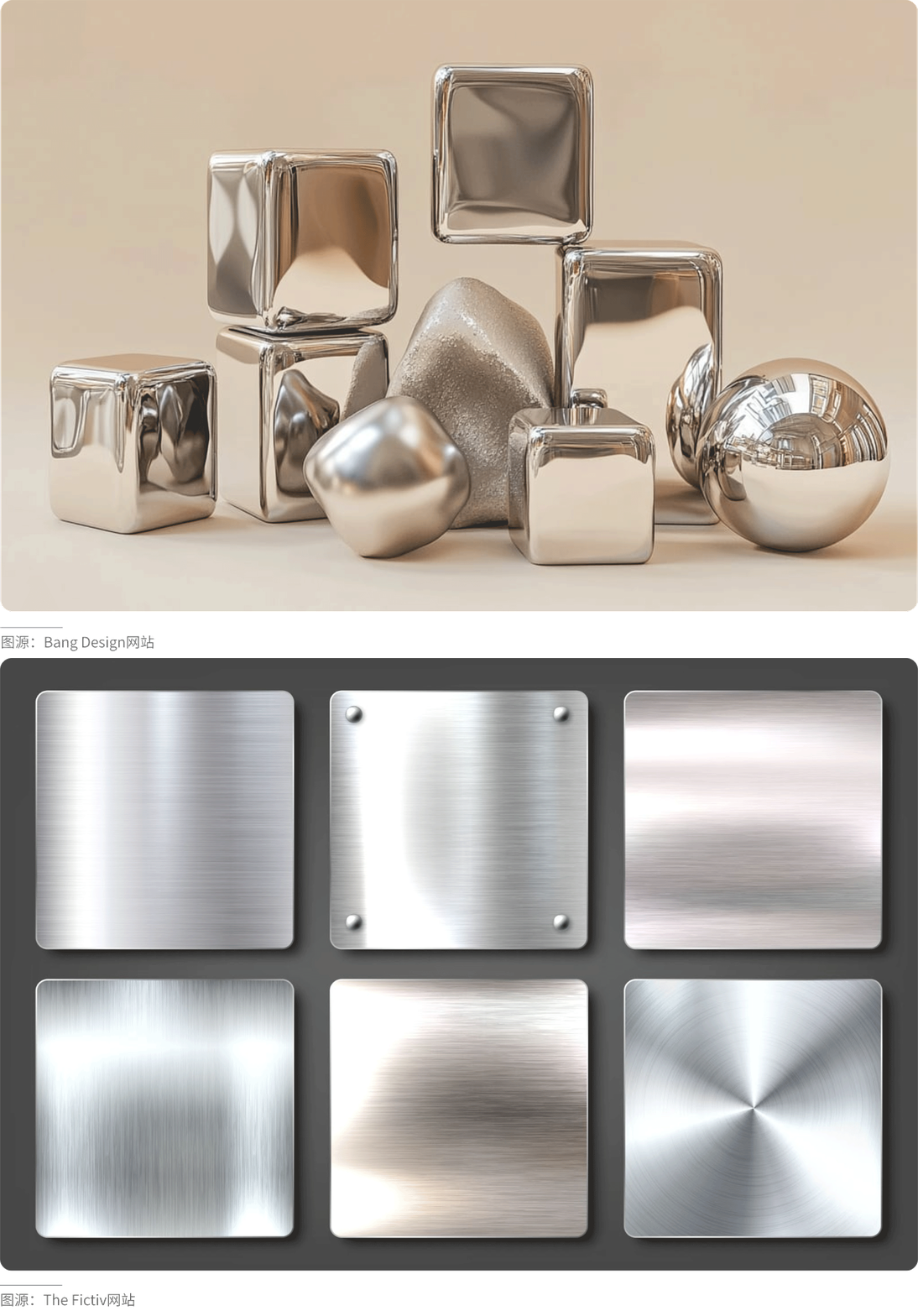
Surface finish refers to a series of processes applied to the surface of a product to alter its appearance and texture, including painting, anodizing, electroplating, polishing, matting, laser engraving, etc. In CMF (Color, Material, Finish) design, surface finishing is the final touch that brings the product to life. It can be glossy, matte, textured, or a combination of these effects. Surface finishing can enhance or soften colors, add depth, and influence how the product feels in the hand. CMF designers carefully select and apply finishes that align with the brand’s aesthetic philosophy, creating products that are both sophisticated and appealing.
Plastic Surface Finishes
VDI 3400 (Germany): The higher the number, the rougher the surface.
Mold-Tech (MT) series: American‑style textures. Standardized mold textures in the A‑D series, with numbering systems such as MT‑11000/MT‑12000, globally recognized.
Yick Sang: A common texture library in Asia.
SPI standards: Define the visual and tactile characteristics of finished plastic part surfaces, using a naming system that combines letters and numbers. The table below lists the SPI specifications:
SPI Standards (Society of the Plastics Industry)
| Types of Finishes | SPI Surface Specification | AS TOOLED |
| Diamond | SPI-A1、SPI-A2、SPI-A3 | High Gloss Finish, Gloss Finish |
| Paper | SPI-B1、SPI-B2、SPI-B3 | Matte Finish |
| Stone | SPI-C1、SPI-C2、SPI-C3 | Matte Finish |
| Media Blasting | SPI-D1、SPI-D2、SPI-D3 | Dry Media Blast |
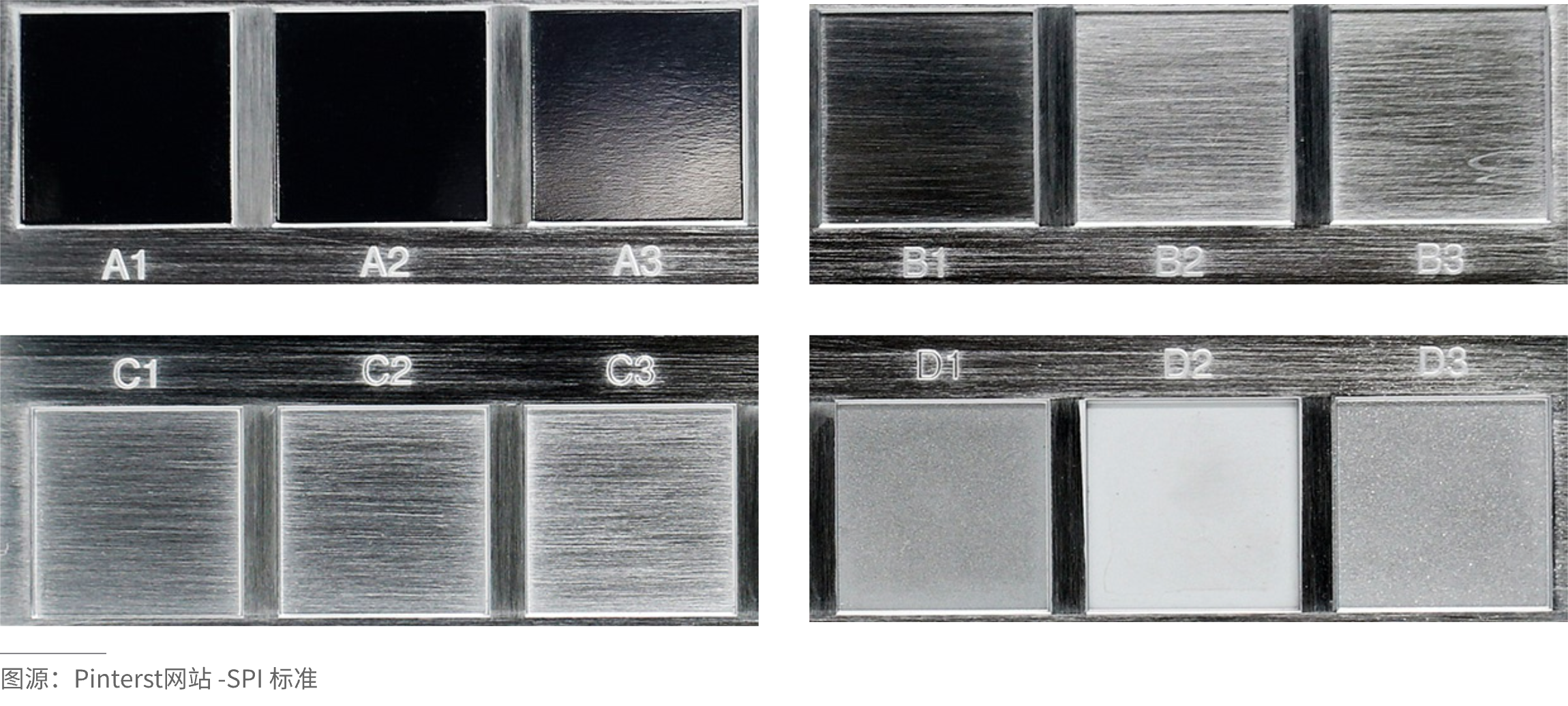
It is recommended to keep a physical texture sample book for more efficient communication and proofing.
SPI Finish is primarily used for mold polishing, while the VDI 3400 standard is mainly used as a reference for surface roughness.
Product Surface Finish Requirements: Determine the precise surface finish of the product. If a certain degree of roughness is required, the VDI standard offers better options; if a finer surface finish is needed, the SPI standard may be more helpful.
Surface Roughness (Ra)
Ra represents the average roughness, with the unit μm. Ra is the most commonly used surface finish unit for describing typical surface roughness requirements. Obviously, "R" stands for roughness, and "a" stands for average. In other words, Ra describes the average surface roughness of a part. Ra is the standard value in drawing requirements, surface finish charts, and standards. When you see "125 surface finish" or "63 surface finish," that number refers to the Ra value.
μ is the Greek letter representing micrometer; 1 micrometer equals 0.000001 meter. This is the typical resolution for surface roughness measurement.
For example, Ra 0.2 μm is very fine, while Ra 1.6 μm is relatively rough.
Metal Surface Treatment
Anodizing: GB/T 19509-2004 (Aluminum and aluminum alloys), film thickness ≥10μm, hardness ≥300HV
Quality standards for electroplating:
ASTM B456 (multilayer coatings)
GB/T 9798: Commonly used domestic standards, e.g., GB/T 12334 (zinc plating on steel), GB/T 17721 (copper and copper alloys), porosity ≤1 pore/cm²
Coating thickness:
Commonly used standards include ISO 2808 / ASTM D6132, e.g., powder coating thickness is generally 50–80 μm
GB/T 1720 (adhesion), GB/T 1732 (impact resistance), flexibility ≤2mm
(Conclusion)
CMF (Color, Material, and Finish) design is a powerful tool that goes beyond pure aesthetics, delving into the realms of emotional connection and user experience. As brands continually seek differentiation and strive to make their products stand out in the competition, the importance of CMF design will only grow. By embracing innovation, sustainability, and personalization, CMF designers will shape the future of product design, creating experiences that resonate more deeply and meaningfully with consumers.
In the future, Gravity Design will continue to deeply cultivate the field of CMF design, keeping pace with the iteration of international and domestic standards, and integrating industry practical experience to provide clients with CMF design solutions that are “standard‑compliant, creatively realizable, and cost‑controllable,” helping products stand out in the market competition.
Feel free to follow and like us. See you next time!