Small Details, High Standards: Thoughts on Hole Design for Medical & Healthcare and Smart Consumer Products

In the landscape of industrial design details, there is a distinctive element. It acts as the "breathing channels" of a product, regulating airflow and heat dissipation; it also serves as a visual "segmentation cipher", shaping the product’s texture and character. This is perforation design.
These perforations always embody the unity of form and function. They not only fulfill functional requirements including heat dissipation, filtration and sound transmission, but also, through deliberate design, their forms complement the product’s overall aesthetic and can become a highlight of the entire product.disappointing reality.
Outline of This Issue
· What is perforation design
· Core categories of product perforations
· Classic cases of perforation design in products
(What is Punch-Hole Design)
Punch-Hole Design refers to intentionally crafted openings, hollowed-out structures and negative spaces on a product’s surface or internal structure. As a core design technique that delivers both functional utility and aesthetic value, it involves systematic planning of the holes’ shape, dimensions, arrangement, positioning, depth and manufacturing process, enabling deep synergy between functional implementation, user experience optimization and visual expression.This design approach has become a highly prevalent and pivotal design language in modern product design, particularly for medical products and smart consumer products.
(Core Classification of Product Perforations: Every Opening Serves a Purpose)
In industrial product design, a smooth and intact exterior is generally the public’s basic perception of product aesthetics, while various perforations distributed on product housings, panels and side walls are often regarded as the simplest auxiliary structures. Most people believe that holes only need to be drilled according to demand without complex design. However, in the professional implementation process of industrial design, perforations are a core detail that balances product functionality, structure, aesthetics, craftsmanship and cost.
Perforations in industrial products are by no means created arbitrarily. Based on design purposes, they can be divided into four major categories: functional perforations, structural perforations, aesthetic-interactive perforations, and process-reserved perforations. Each category follows clear design standards and optimization logic.
1. Functional Perforations: Ensuring Basic Product Usability
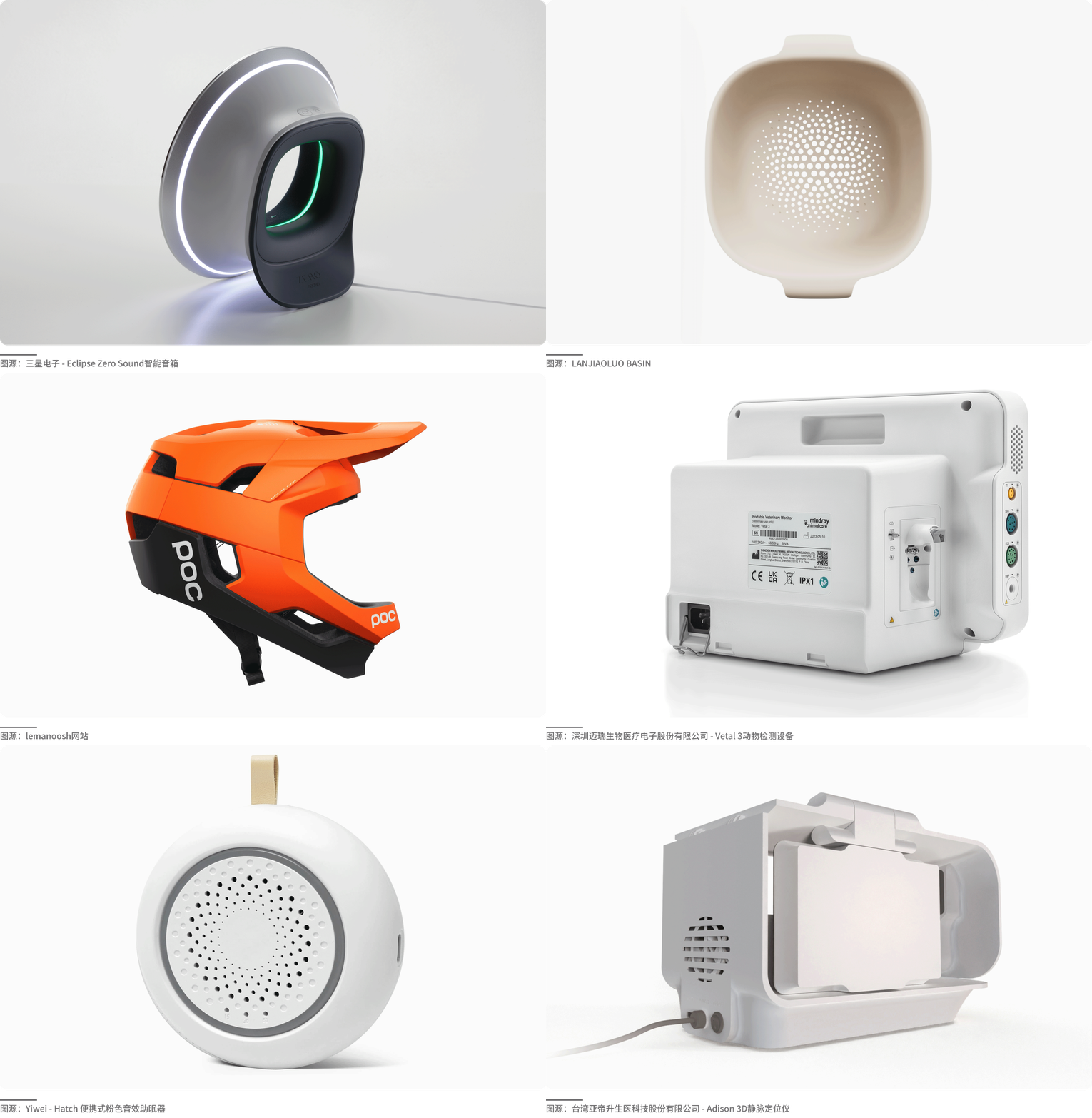
Functional perforations are the most fundamental type of openings in products, directly determining product performance. They cover scenarios including heat dissipation, sound transmission, waterproof ventilation, cable routing, and installation & fixation.
· Heat Dissipation & Ventilation
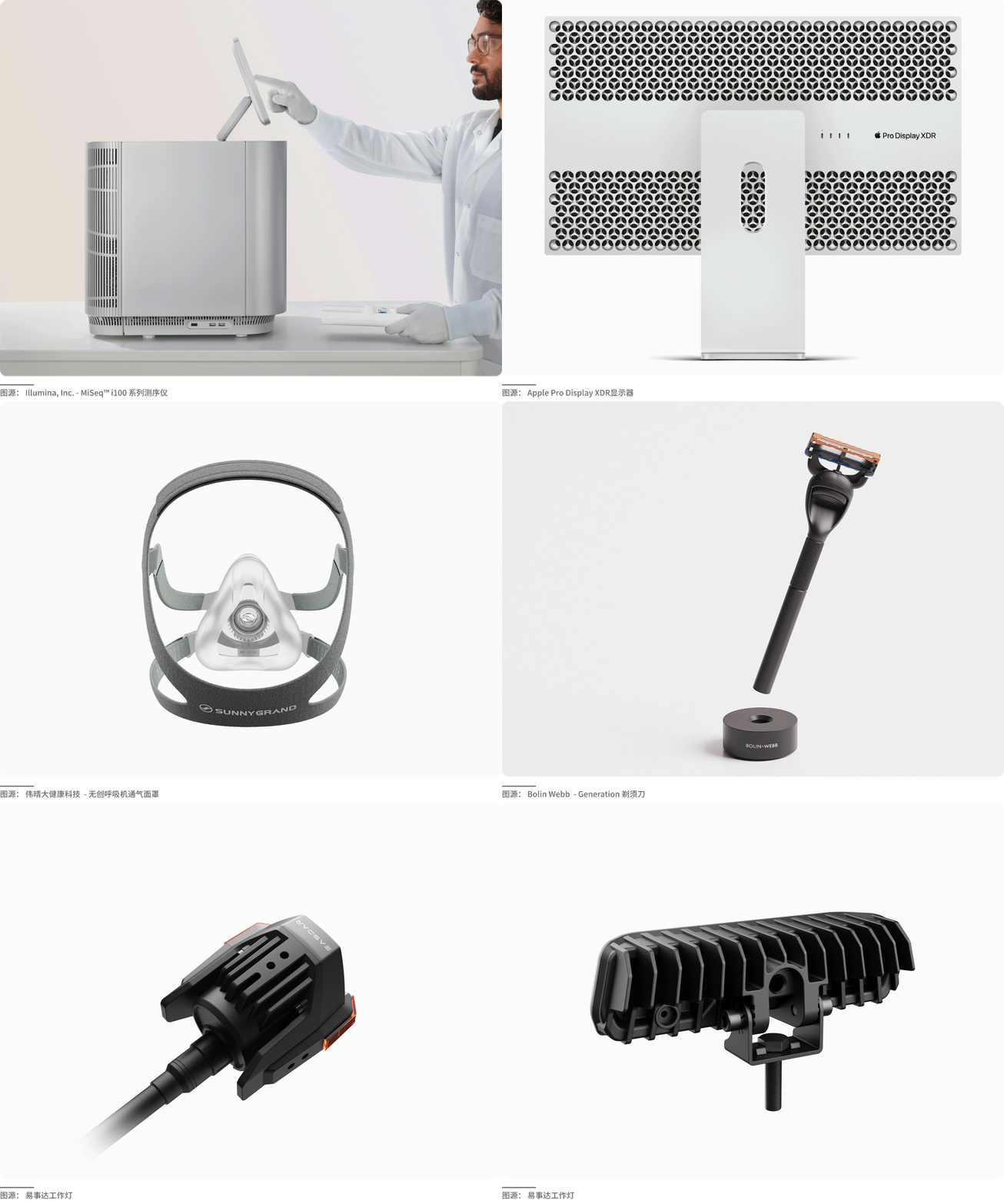
Through specific aperture and array designs (such as grids and circular holes), they guide air convection to discharge equipment heat or ensure internal air circulation, requiring a balance between heat dissipation efficiency and dust protection. General industry experience shows that the heat dissipation aperture for conventional plastic housings is recommended to be controlled at 3–8 mm, while the aperture for metal sheet metal housings can be appropriately reduced. Hole positions should avoid internal core heat-generating components and sealing structures to prevent heat accumulation, while blocking dust and moisture from directly entering the device body.
·Sound Transmission
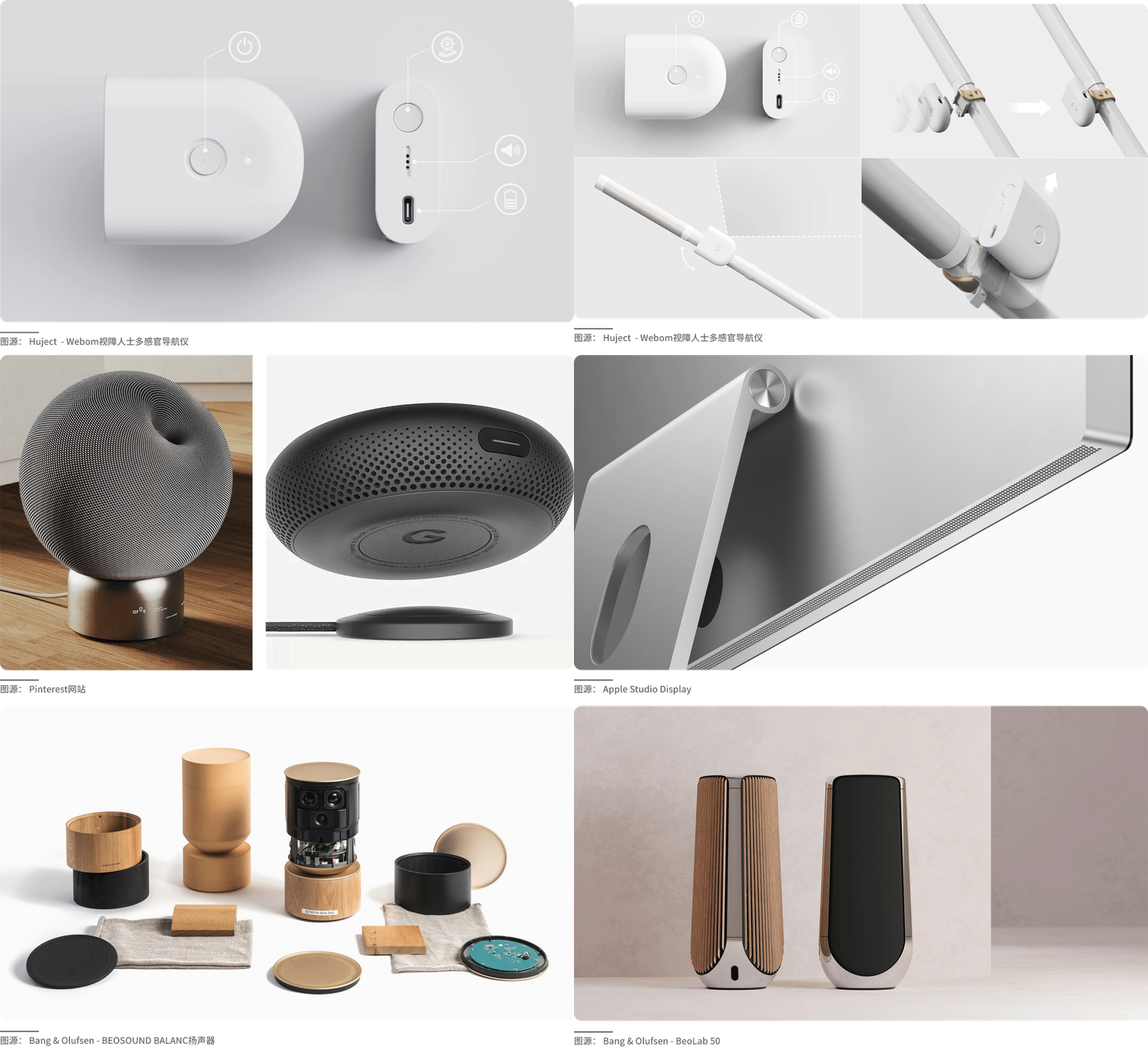
They provide acoustic channels for speakers, microphones and earpieces. The size, density and arrangement of the holes directly affect the frequency response, volume and noise reduction performance of sound. The core of the design is to balance sound transmittance and sealing performance. The aperture is usually set at 0.8–2 mm, with evenly spaced holes, and used in conjunction with a dust-proof mesh.
· Waterproof & Ventilation
Applied to outdoor equipment, medical devices and bathroom appliances, these holes mainly balance the internal and external air pressure of the housing to prevent water accumulation caused by negative pressure. Such perforations must be used with a waterproof breathable membrane. The micropore diameter is generally controlled at 0.1–0.5 mm, and a membrane fitting step is reserved to ensure press-fit sealing performance, taking into account ventilation, pressure relief, and waterproof/dustproof ratings.
· Interaction & Interfaces
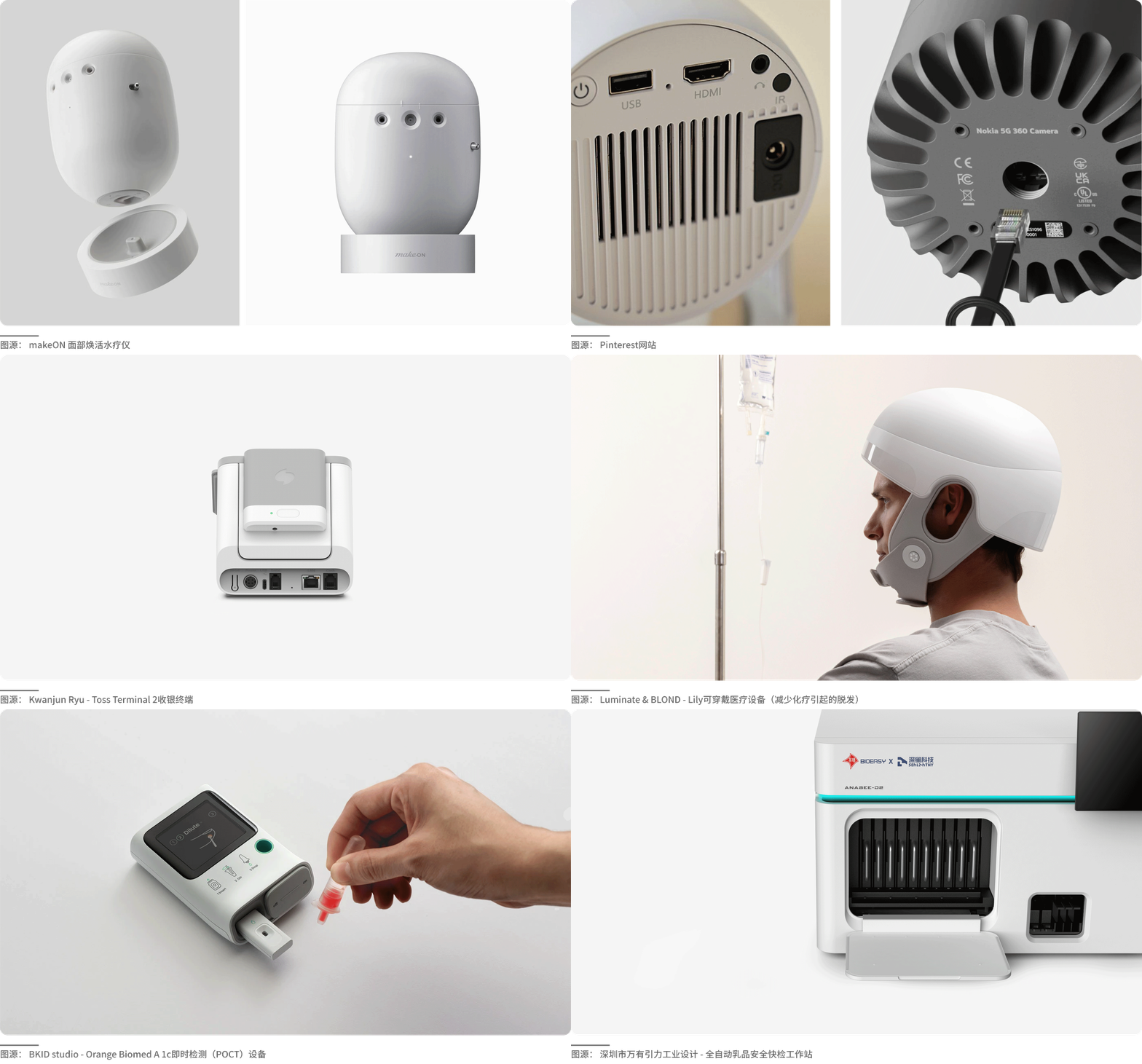
Including charging ports, button holes, hanging holes, finger holes and more, these directly serve user operations. They need to match human body dimensions and usage habits, balancing operating feel and safety. They provide movement space or passage for physical buttons, adjustment knobs, card trays and other components, forming the foundation of physical interaction between users and products.
2. Structural Perforations: Optimizing Product Mechanics and Mass Production Performance
Structural perforations are hidden on non-appearance surfaces of products, serving structural strength, lightweight design and injection molding. They are a crucial design detail easily overlooked by engineers, yet directly affect the stability of mass production.
·Structure & Lightweighting
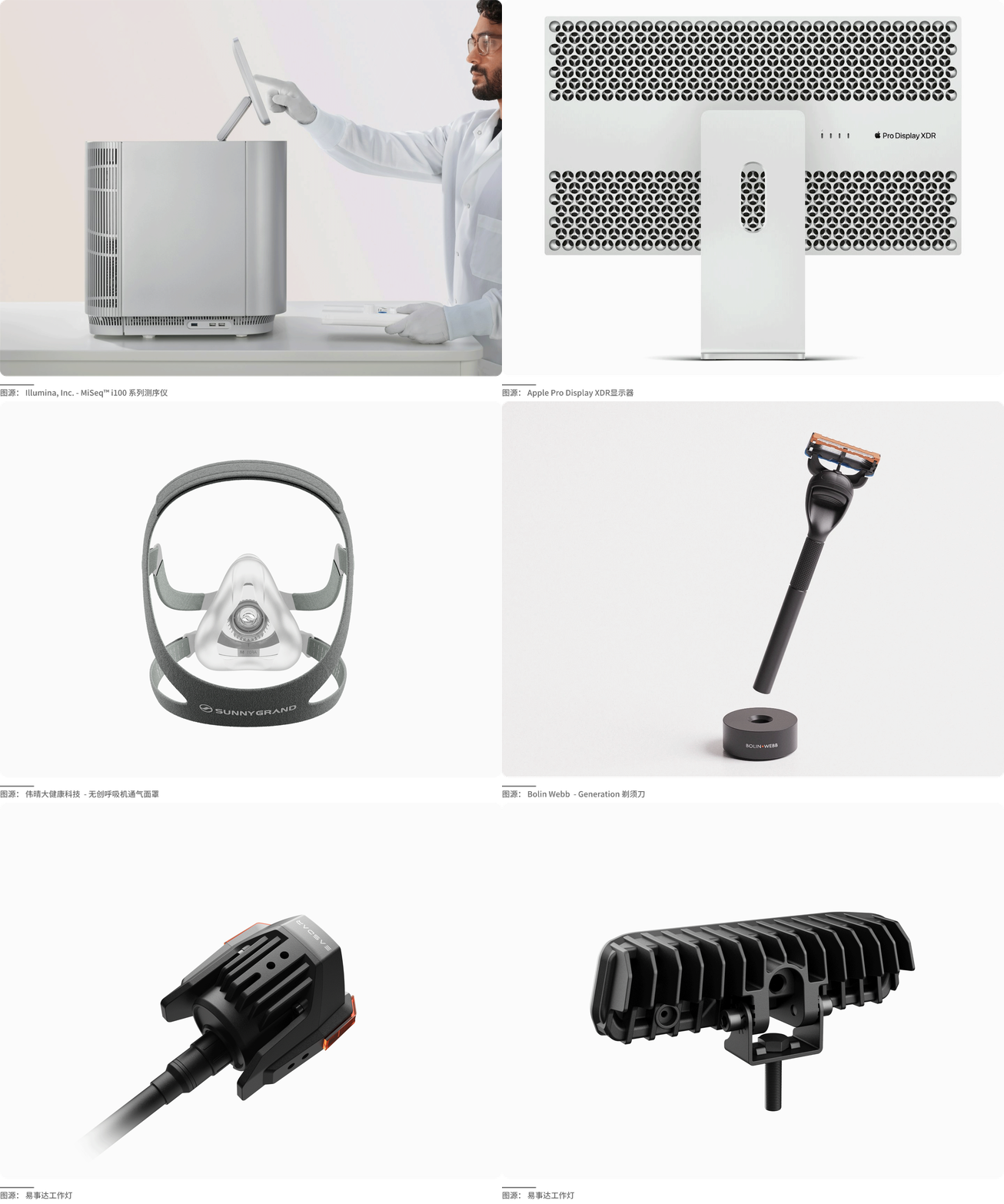
Commonly seen in large plastic housings and aluminum alloy industrial equipment enclosures. Regular perforations are added to reduce product weight and raw material consumption without compromising the main load-bearing structure. Material mechanics design specifications clearly state that fillets shall be added at hole edges for brittle materials, with a fillet radius of ≥ 0.02D (D = hole diameter), to reduce the risk of stress concentration.
·Molding Assistance
Perforations on injection-molded parts assist mold venting and avoid filling defects caused by trapped air. They also reduce the contact area between the plastic part and the mold, lower adsorption force for smoother demolding, and improve cooling uniformity in thick-walled areas.
·Stress Relief Holes
Small holes are added in stress concentration areas such as product corners and splicing gaps to disperse external impact and prevent housing cracking during transportation and use. For metal materials, the wall thickness ratio must be strictly controlled for perforations: under normal working conditions, wall thickness t ≥ 0.25D–0.5D to ensure structural load-bearing capacity.
3. Aesthetic-Interactive Perforations: Enhancing Product Texture and User Experience
With the aesthetic upgrading of industrial products, perforations are no longer limited to practical functions. They have gradually become a key element of appearance design, combining ergonomics and visual aesthetics.
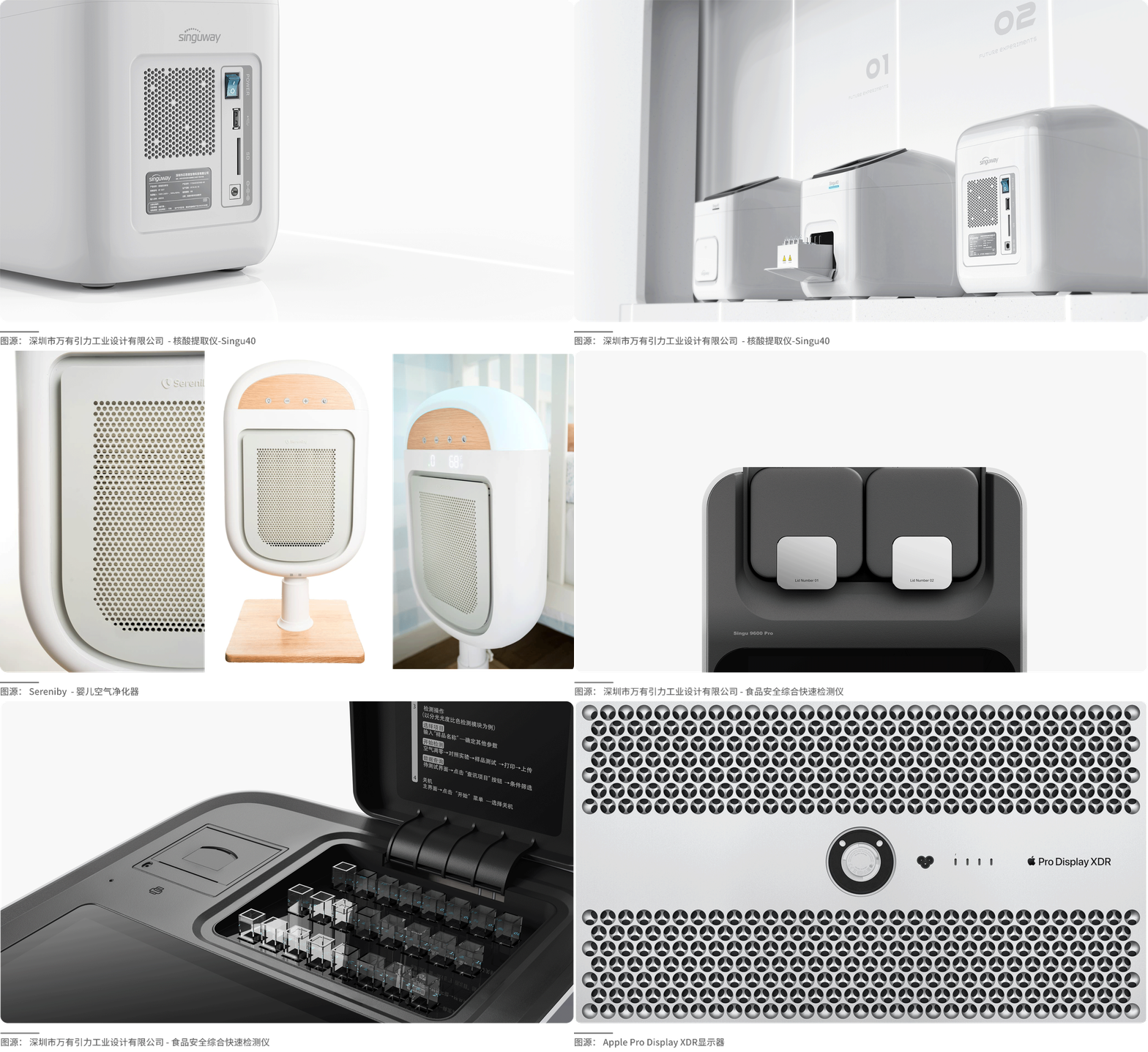
·Order & Rhythm
Regular and symmetrical geometric arrangements (such as matrices and stripes) create a simple, exquisite sense of orderly aesthetics, while also helping to guide air flow.
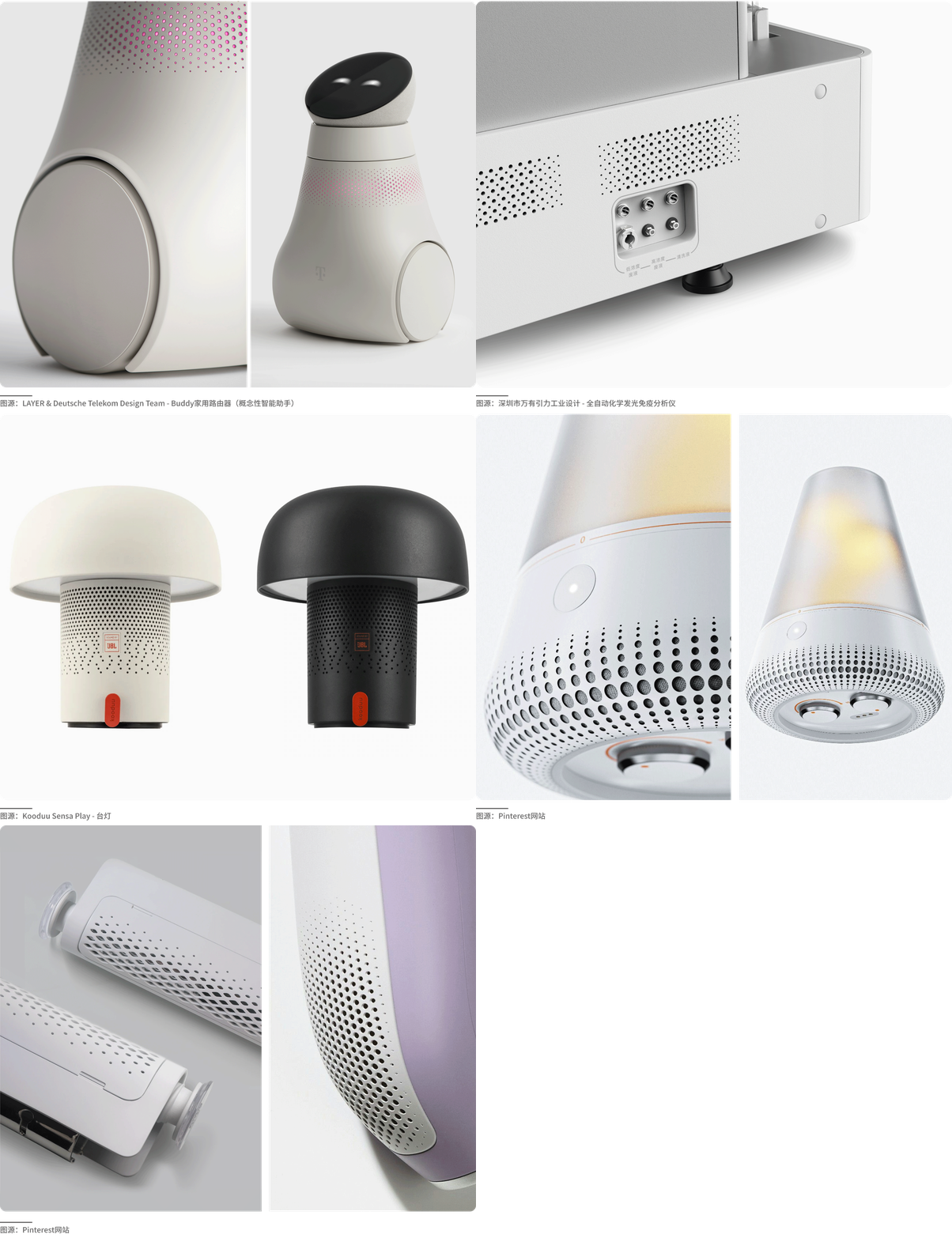
· Gradient & Dynamism
Gradient arrangement of hole density or size creates a visual sense of flow and speed, enhancing the dynamic visual expression of the product (e.g., gradient perforation design).
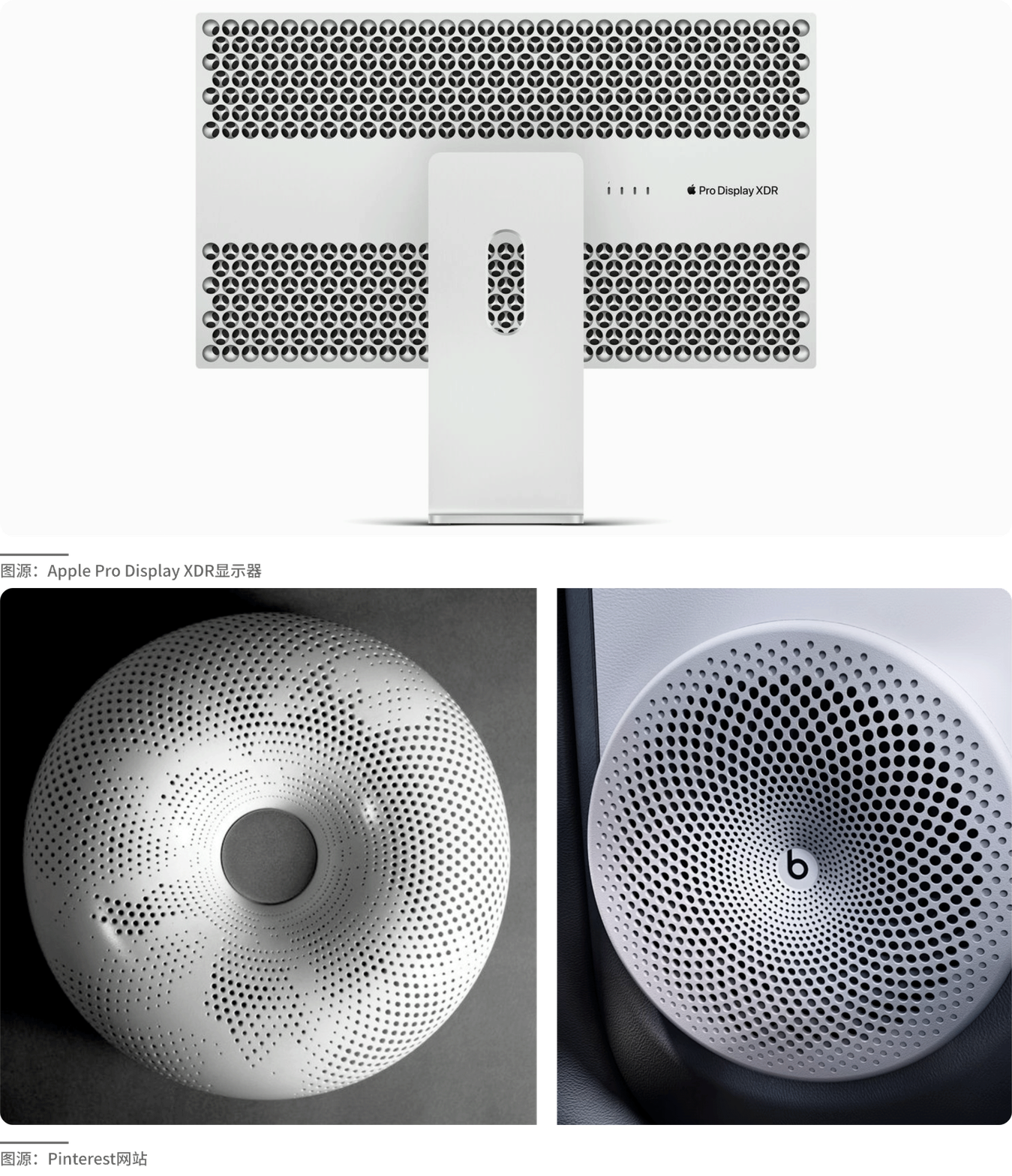
·Patternization & Brand Recognition
Perforations arranged in specific patterns or motifs become a unique visual language of the product and strengthen brand identity.
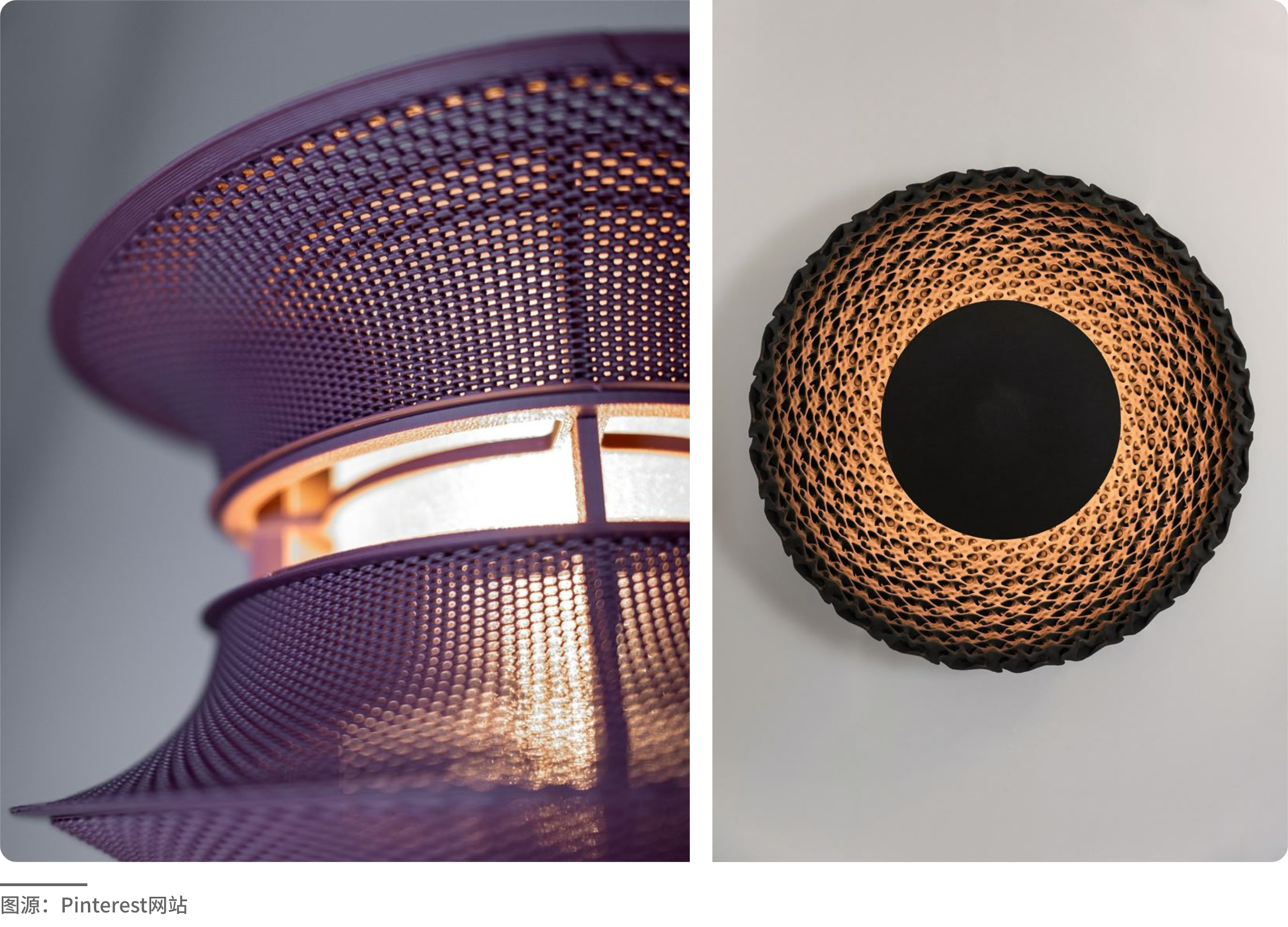
· Virtual-Real Contrast & Layering
Perforation designs with varying depths, sizes or stacked layers create rich layering and three-dimensional effects. Combined with light and shadow, they elevate the visual hierarchy of the product (e.g., hollowed-out light and shadow effects on lamps).
4. Process-Reserved Holes: Adapting to Post-Processing and Assembly
These holes do not directly serve product usage, but are reserved for subsequent production processes, including spray coating hanging holes, positioning and calibration holes, and fixture clamping holes. Positioning holes have stricter tolerance requirements, with deviation controlled within ±0.03 mm, to ensure the precision of automated
assembly and precision lamination, and effectively reduce the risk of assembly misalignment during mass production.
(Classic Cases of Perforation Design in Products)
Once basic functional requirements are met, perforations are no longer merely openings for ventilation or sound transmission, but a key medium for products to express their stylistic identity. Through variations in size, shape and arrangement, they convey a sense of order, rhythm, and even distinct brand character.
Let’s explore the visual and functional effects of different perforation designs.
· Matrix-style Perforations
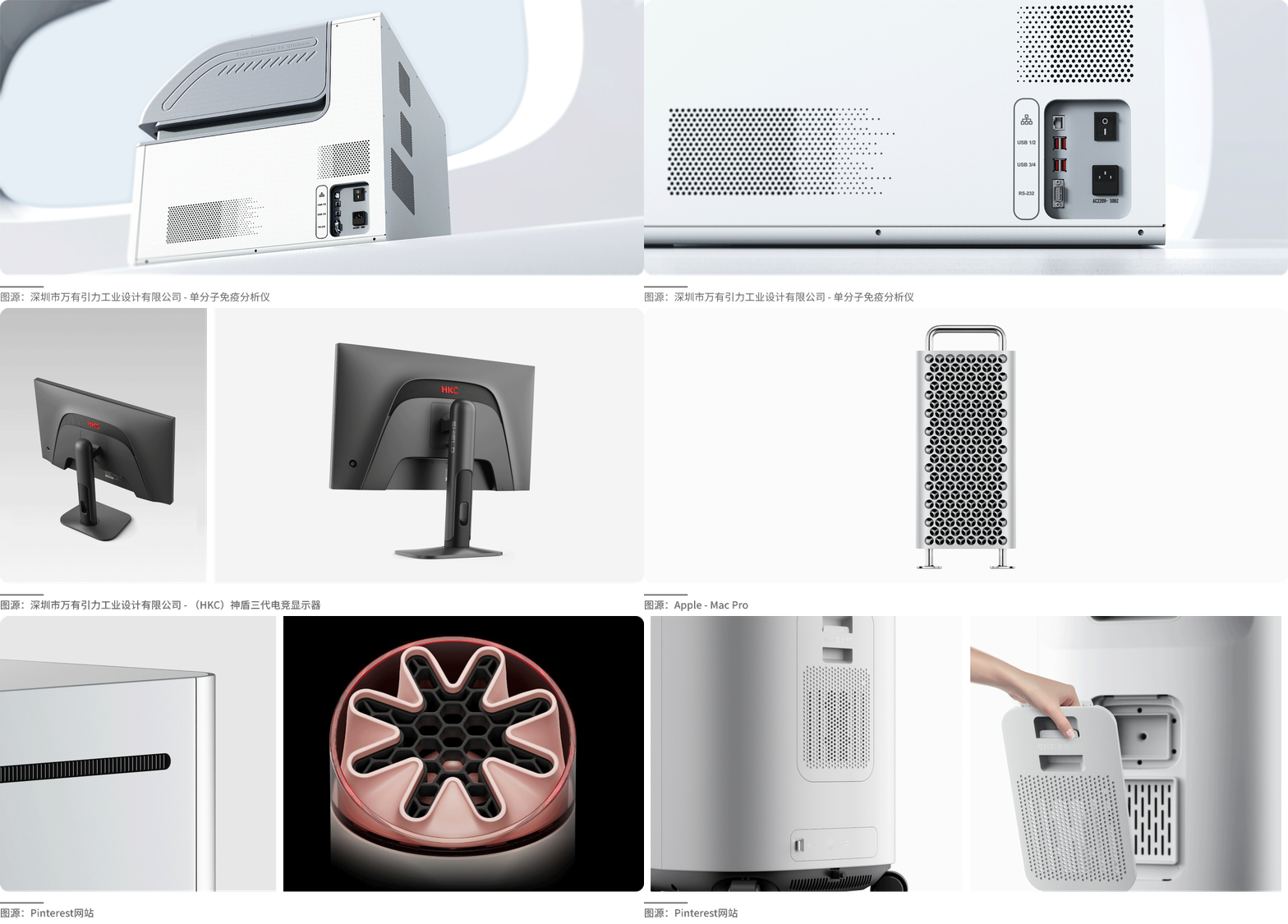
Circular perforations are a ubiquitous form in heat dissipation design. Typically uniform in size and neatly arranged, they impart a rigorous, professional and solemn aesthetic. The circular shape is clear and minimal, straightforward to manufacture, and delivers excellent air circulation performance.

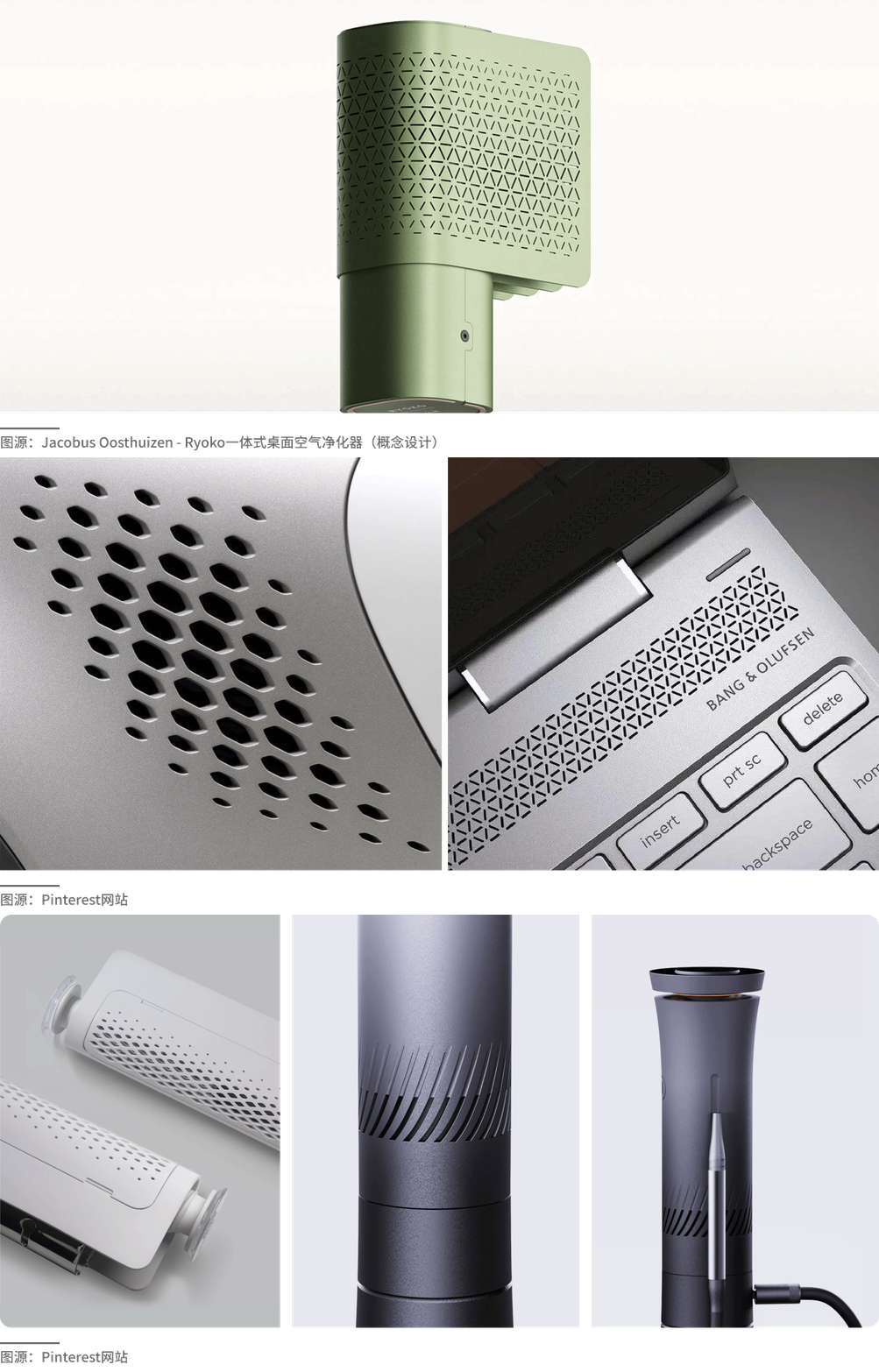
· Special-shaped Perforations
Polygonal heat dissipation holes are a practical design element for products. Their distinctive geometry gives them a more innovative look than traditional circular holes. The edges of polygons expand the contact surface with air, enabling faster heat dissipation and higher thermal efficiency. They can also be flexibly laid out to match the product’s form, balancing aesthetics and functionality, and are widely used in electronic products, mechanical equipment and other fields.
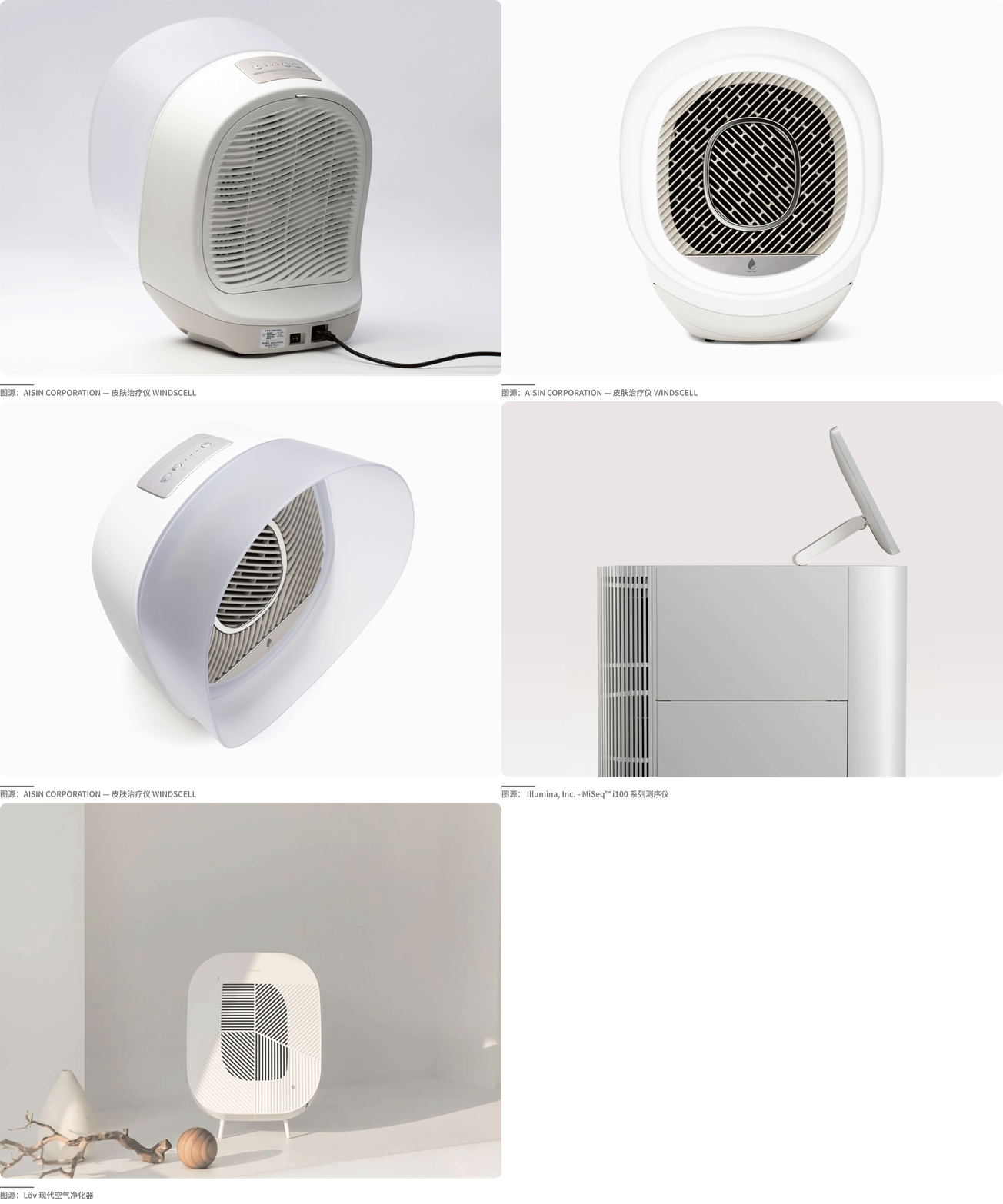
· Grille-style Perforations
Multi-slit grille heat dissipation holes represent a common and practical thermal solution. Composed of an array of strip-shaped openings, they boast a simple and orderly appearance. This design effectively enlarges air circulation space and accelerates heat exhaust, delivering high heat dissipation efficiency. It is widely applied to computer mainframes, electrical control cabinets and other products to ensure stable equipment operation, and has earned broad industry recognition.
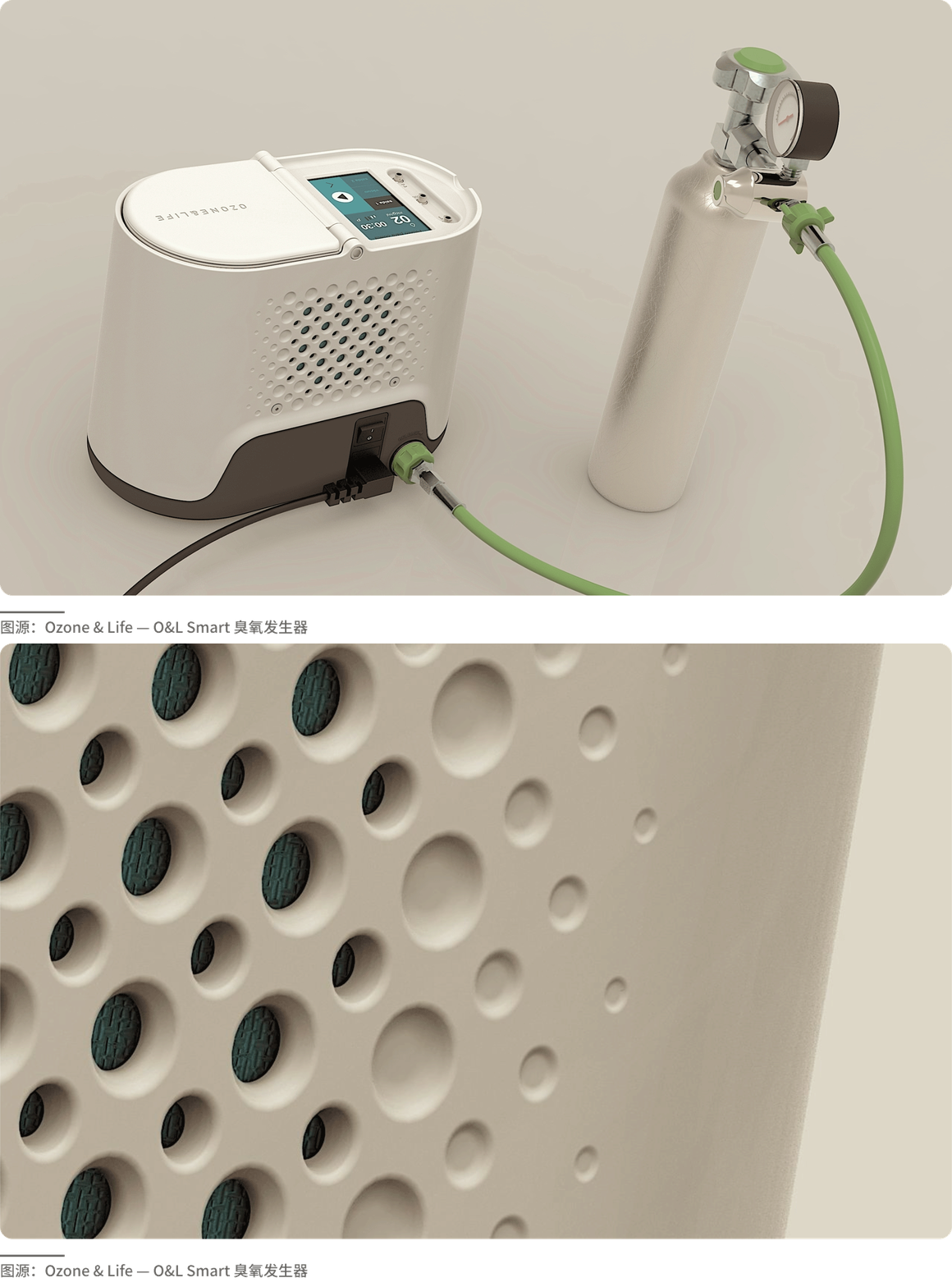
· Gradient Perforations
Gradient heat dissipation holes feature a gradual transition in size or density, creating a highly aesthetic, tech-forward visual effect. This perforation approach is also commonly used when only a portion of a surface requires openings; the gradient creates a harmonious look across the entire surface, with a smooth progression from dense perforations to none.
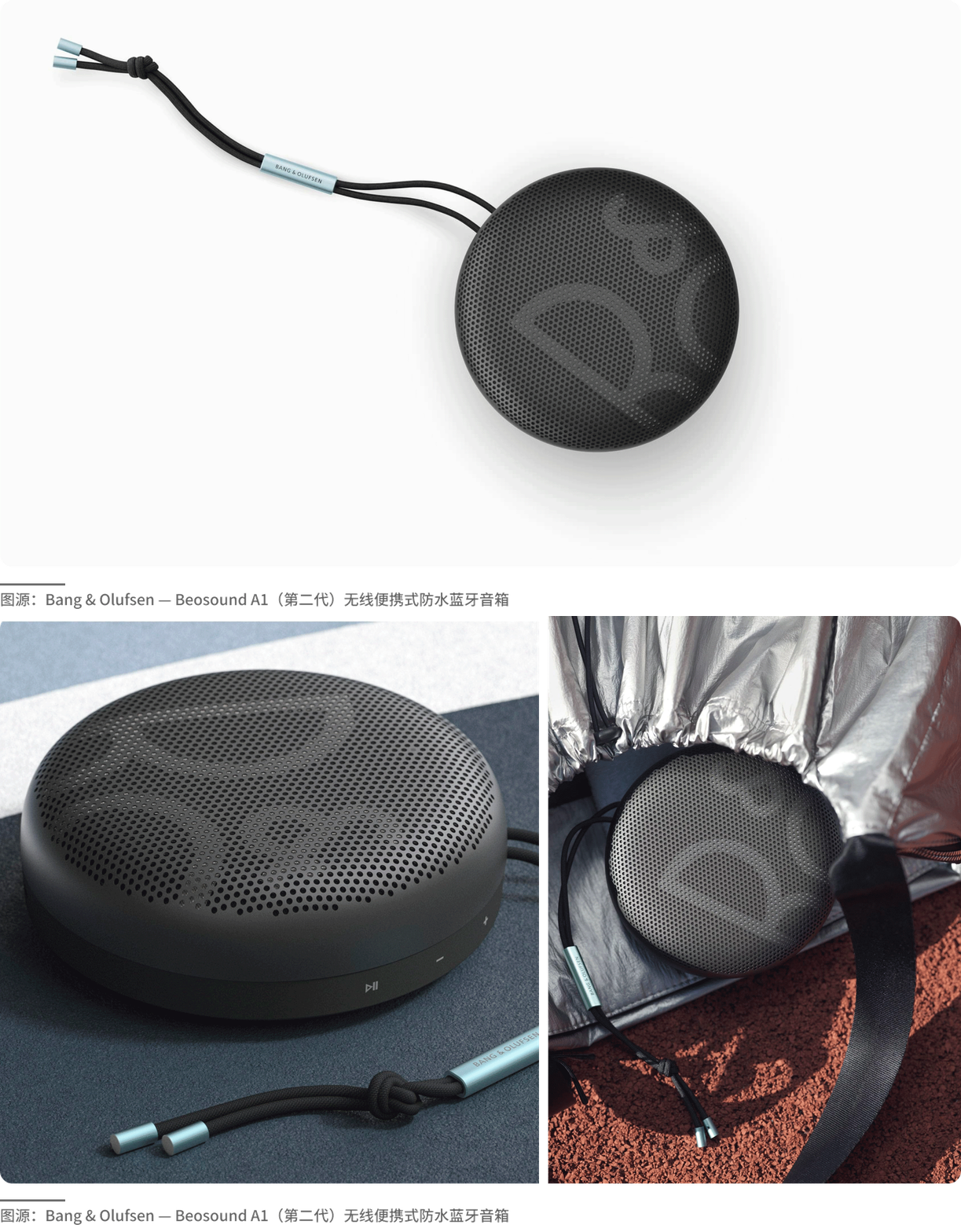
· Special-shaped Perforations
Perforations can be arranged into specific patterns or motifs, greatly boosting the product’s decorative appeal and visual attractiveness, and even evolving into an iconic brand visual language. The most classic examples include the speaker grilles of Bang & Olufsen (B&O) and the perforations on the palm rest of Dell laptops, both of which constitute a strong brand visual identity.This perforation design exudes abstract aesthetic charm, sparks imagination, and lends a mysterious, artistic ambiance to the product. Beyond breaking free from traditional constraints to showcase unique personality, irregular perforation designs can also improve heat dissipation efficiency to a certain extent.
(Conclusion)
Though perforations are minute product details, they serve as a critical benchmark for gauging the professionalism of industrial design. A well-executed perforation design goes far beyond simple hole drilling — it embodies holistic consideration of functional logic, mechanical structure, industrial craftsmanship, visual aesthetics and mass production costs.
Outstanding industrial design never chases superficial glamour. Instead, it devotes meticulous effort to every detail, striking a balance between aesthetic appeal and practical utility, design sophistication and manufacturability.
Moving forward, Gravity Design will remain committed to optimizing product details, refining every product with a mass-production mindset, and empowering clients to develop high-quality industrial products with excellent yield rates and cost-effectiveness through professional design.
Feel free to follow us and give this a like. See you in the next issue!